
Guide
Why So Many Atlanta Garage Doors Have No Insulation at All
Atlanta's housing stock runs mostly 1960s-70s, years before insulation standards touched garage doors. Here's what that means for the panel on your house today.
Local detail
Leaving It Alone
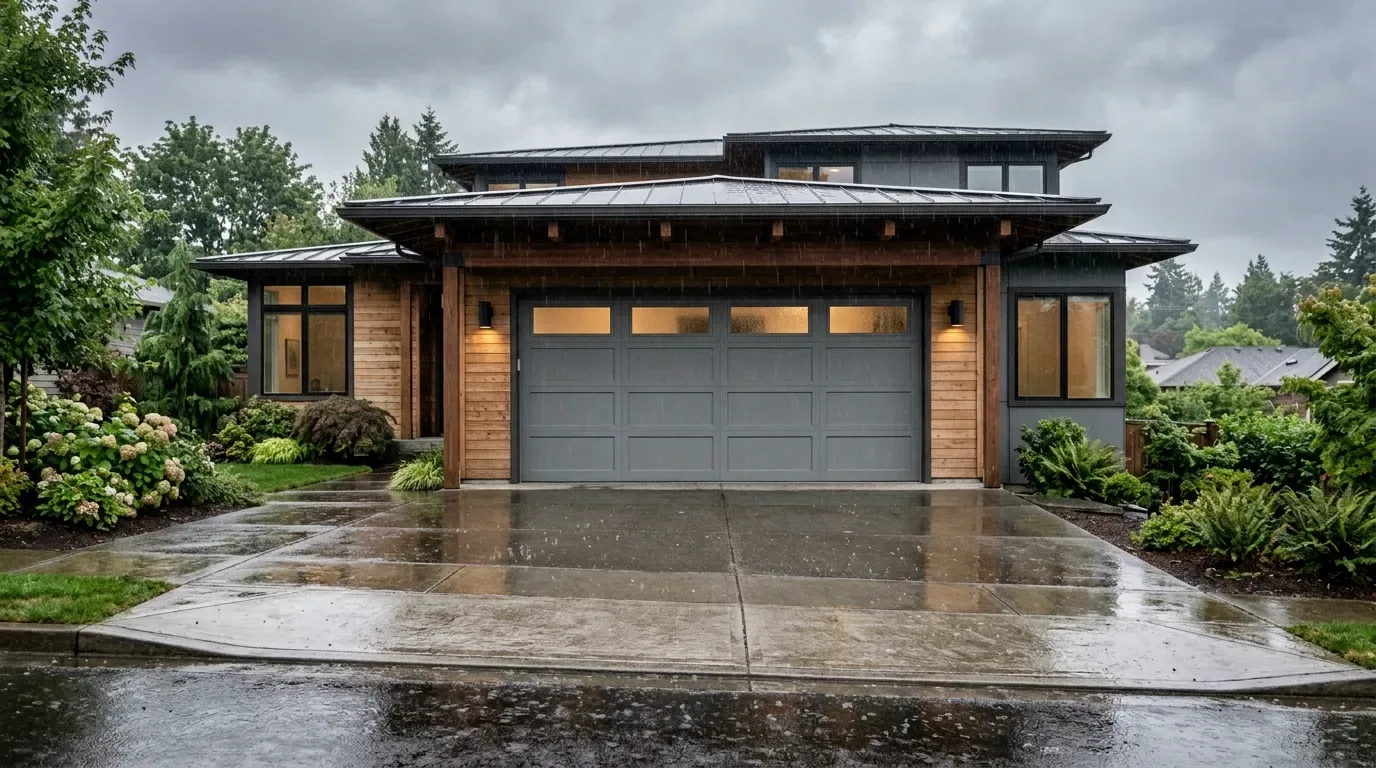
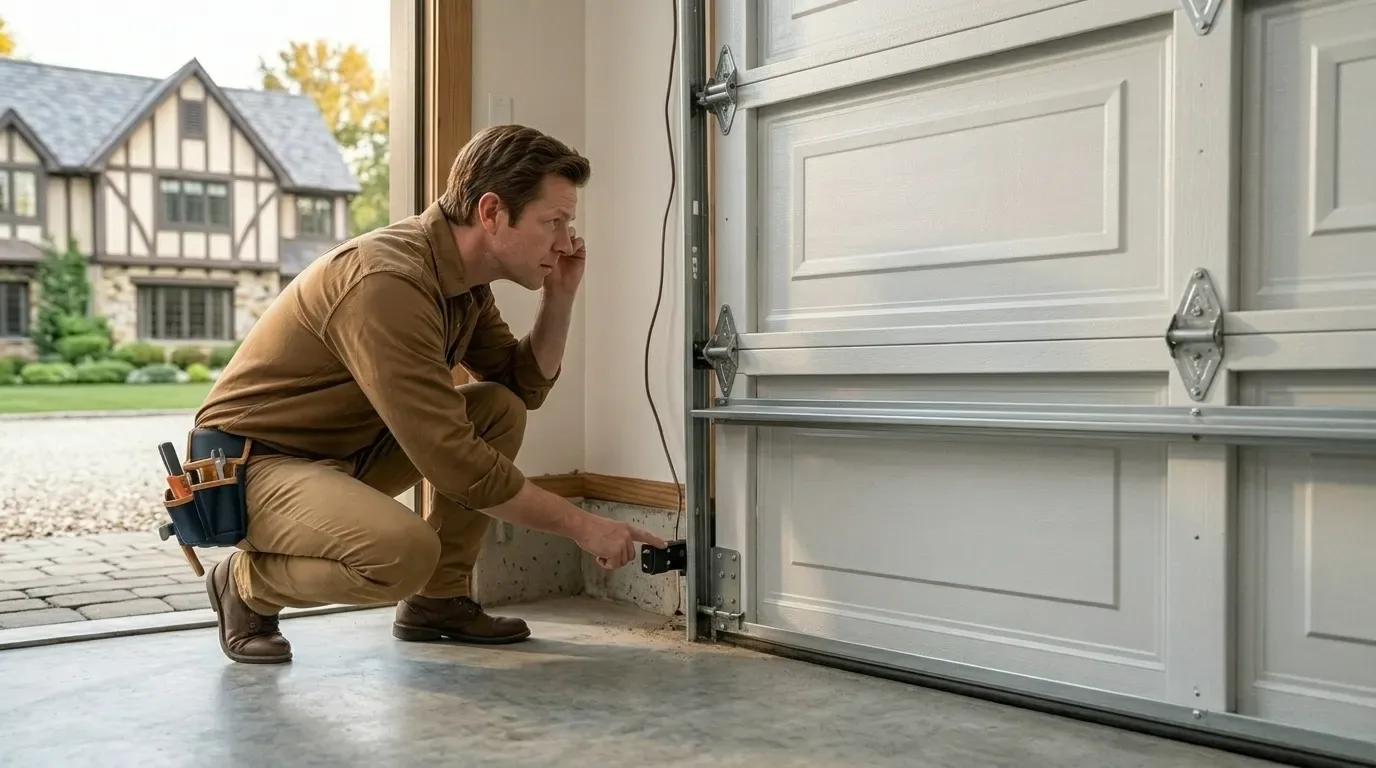
Here's the honest limitation first: if your door is original to a house from the 1960s or 70s and it still opens, closes, and seals reasonably well, we're not going to tell you it needs to come out. A steel door with no insulation isn't broken just because it's uninsulated - it was built to a standard that simply didn't ask for a thermal break, and plenty of them are still doing their job forty and fifty years later. Where we draw the line is function: does the door bind on the track, does the bottom seal actually touch the slab, does the spring still carry the weight it was sized for.
Insulation is a comfort and energy question, not a safety one, and we're not going to sell you a new door because the old one is cold to the touch in January. If the panel is straight, the hardware is sound, and the opener isn't straining, leaving it alone is a legitimate answer. We'll tell you that even when it means a shorter invoice.
The area
What Local Conditions Do
Atlanta sits in a cold-moderate band - real winter, but not the kind that freezes a slab door shut for a week. That matters here because a moderate cold snap is exactly the condition that exposes a door with no insulation without ever pushing it to outright failure. On a hard freeze, everyone notices a bad door. On a 28-degree morning that climbs to 55 by noon, the swing is what does the work: steel contracts overnight, the bottom seal that already lost its flex from age doesn't recover fast enough, and you get a gap at the slab that wasn't there in October.
Repeat that swing over a season and the seal channel wears faster than it would in a climate that's either consistently cold or consistently mild. None of this cracks a panel or snaps a spring on its own - it just means the garage stays a few degrees colder than the rest of the house, and the door works a little harder each cycle than it would somewhere with less temperature swing. It's a slow, cumulative thing, not an emergency.
What we find
What Is Going On
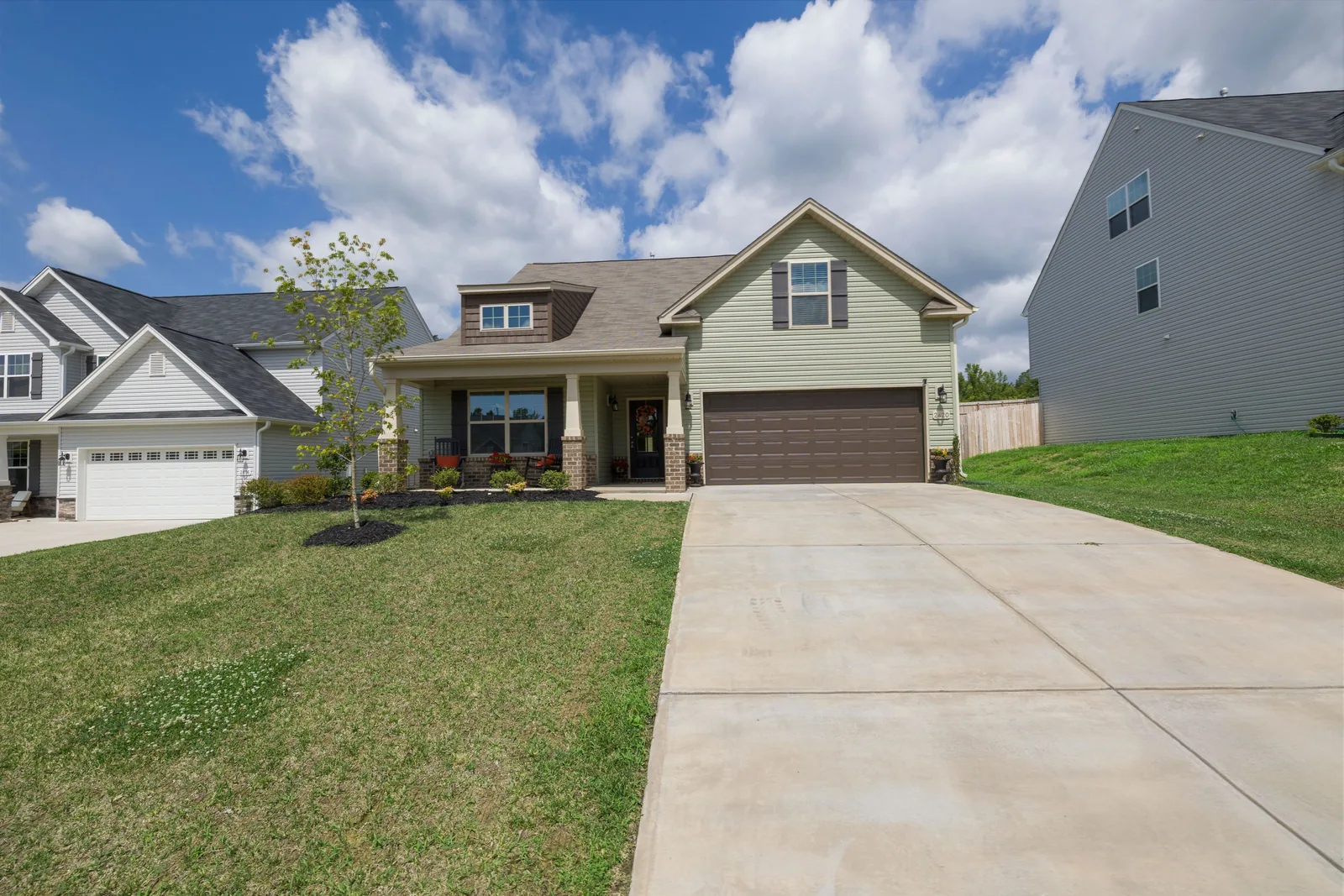
The housing across this service area went up mostly between 1951 and 2004, with the heaviest concentration in the 1960s and 70s - that's true across the 36 neighborhoods we cover, not just one pocket of it. Garage door insulation requirements didn't exist when most of that stock was framed. A door installed on a house built in 1968 is, if it's original, a single skin of steel or wood with an air gap and nothing else - no foam core, no vinyl backing, no R-value to speak of. That's not a defect, it's just what a garage door was in 1968.
What it means practically is that a huge share of the doors we look at in this area are thin by modern standards, and the owner usually doesn't know it until they compare the garage temperature to the rest of the house or notice condensation on the inside face of the panel on a cold morning. The door isn't failing. It's doing exactly what it was built to do, which was less than what a door built after insulation codes existed would do.
How we work
The Common Mistake
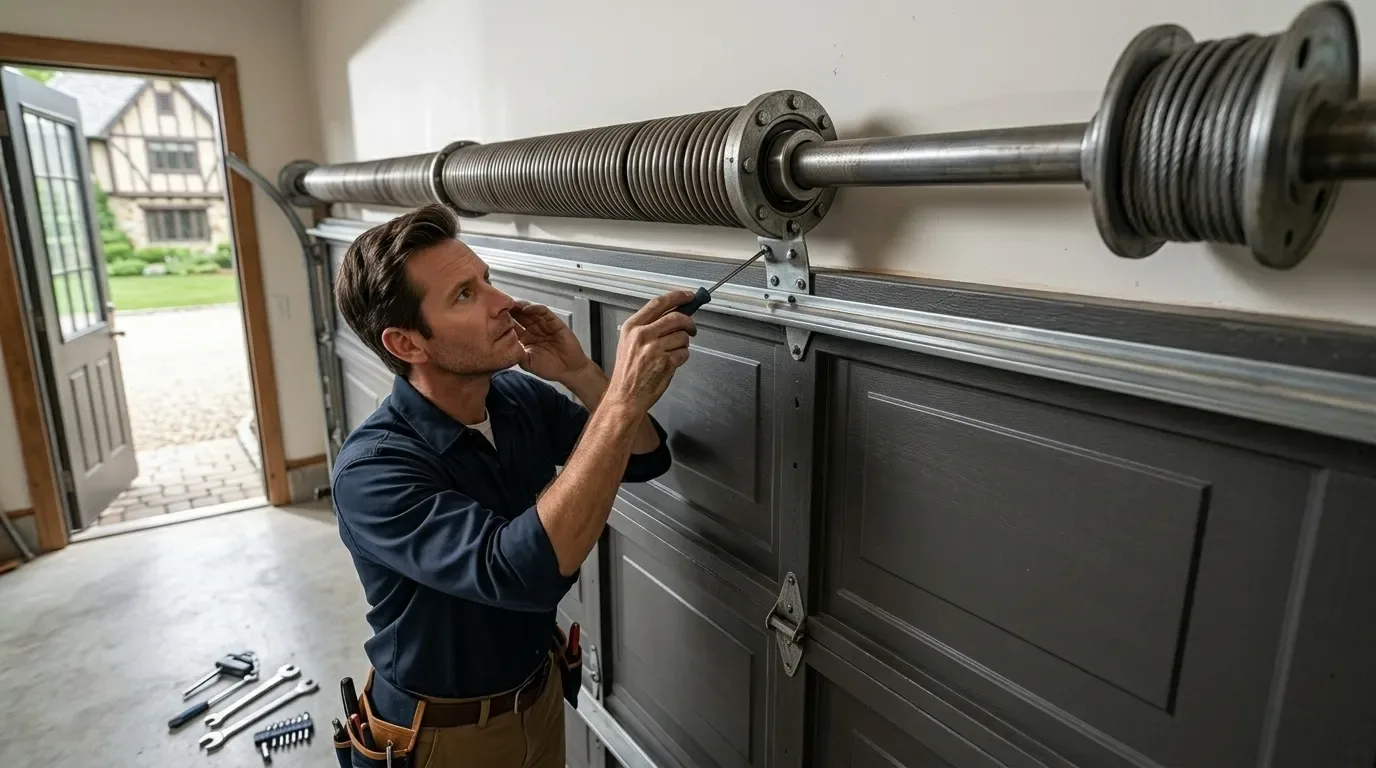
The mistake we see most in a service area built mostly before 2004 is swapping the opener and calling the door handled. A new opener on an old, uninsulated panel fixes the noise and the reliability problem, but it does nothing for the thermal gap or the extra load an original 1960s-70s door puts on modern springs sized for a different weight. The other version of this mistake runs the opposite direction: bolting a foam insulation kit onto a panel that's already sagging or rusted at the bottom corners, which adds weight without adding strength and shortens the life of hardware that was already near the end of its run.
Insulating a sound old door is a reasonable upgrade. Insulating a tired one just moves the failure point sooner. Before anyone adds foam board or a kit to a door from this era, it's worth having someone check the panel condition and the spring sizing first - the insulation question only makes sense once you know the door underneath it is actually staying.
Questions
Common questions
Should I replace an old uninsulated garage door just because it's old?
Not automatically. If a door from the 1960s or 70s still tracks straight, seals at the bottom, and doesn't strain the opener, it's doing its job - it's just doing less thermal work than a modern door. Replace it when the panel, hardware, or seal actually fails, not on age alone.
Will adding insulation to my old door fix the cold garage?
It helps, but only if the door underneath is sound. A foam kit on a panel that's already sagging or rusted adds weight without adding strength. Have the panel and spring checked first - insulating a tired door just moves the failure point sooner.
Why does my garage door seal worse in winter than summer?
Atlanta's cold-moderate swings - cold mornings that warm up fast - work a bottom seal harder than steady cold would. Steel contracts overnight and an aged seal doesn't flex back fast enough, leaving a gap at the slab that wasn't there in warmer months.
Ready when you are
Need a garage door sorted in Atlanta?
Atlanta Garage Door Pros repairs and installs garage doors, springs and openers in Atlanta, GA and the surrounding area.