
Guide
How Cold Snaps Break Torsion Springs on Atlanta's Older Doors
Atlanta homes built between 1951 and 2004 carry torsion springs that break most often during the season's first hard cold snap, not from age alone each year.
Local detail
Leaving It Alone
If your garage door has started making a hard bang or a metallic pop when it opens - not every day, just once so far - the instinct is to wait and see. Don't. A torsion spring that's already fatigued doesn't heal, it just gets closer to full failure, and the failure point is usually the first cold morning of the season.
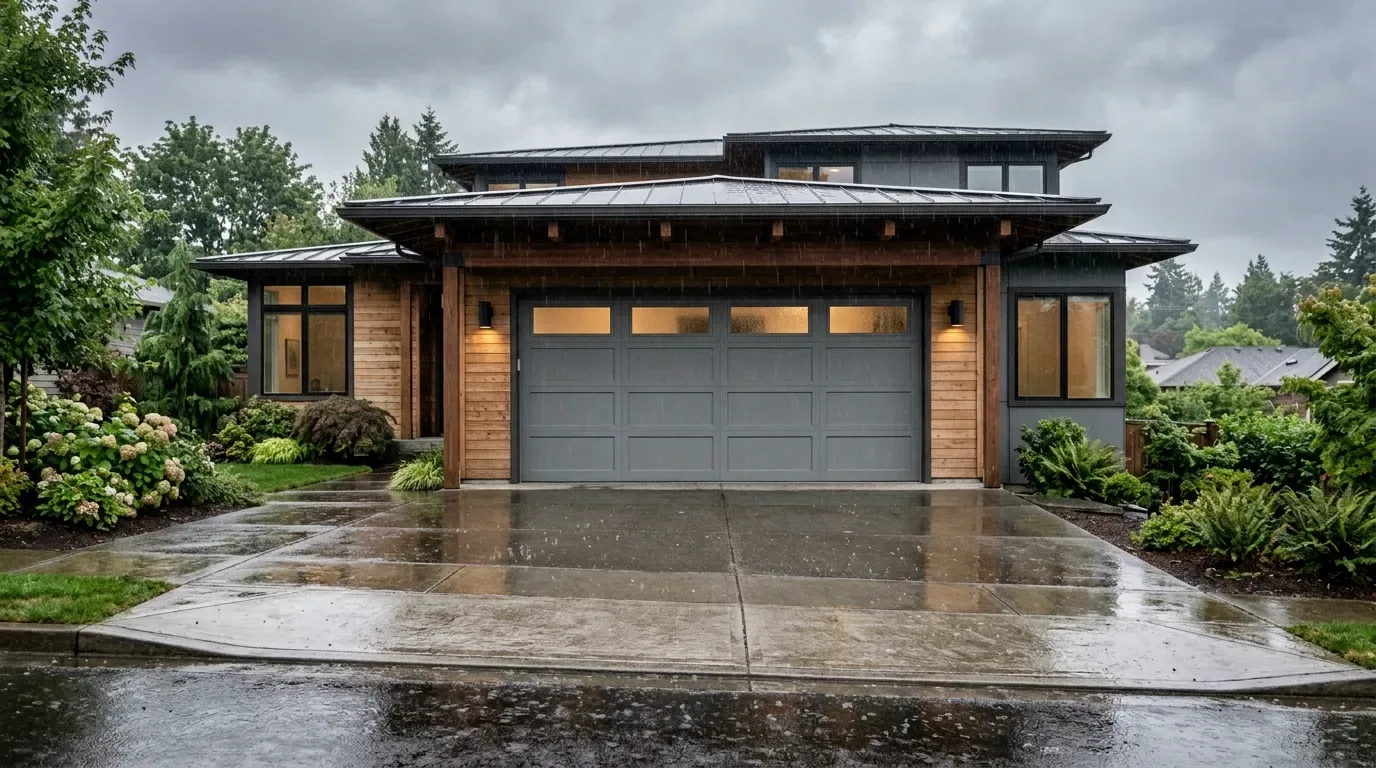
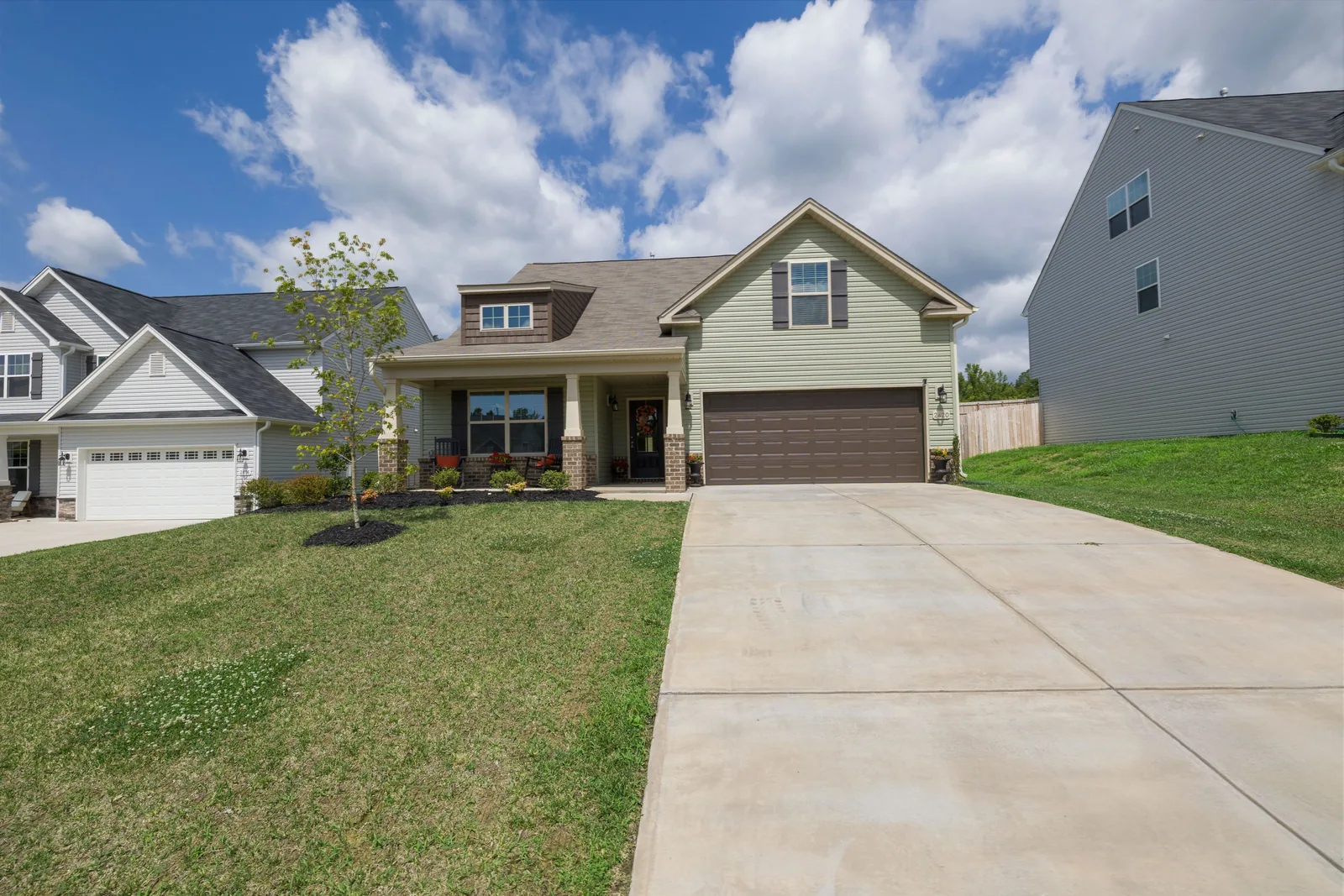
Atlanta's housing stock runs mostly 1951 through 2004, with a lot of it built in the 1960s and '70s, which means a large share of the doors on this side of town are running springs that have been through 40 to 60 winters. Steel work-hardens over that many cycles, and the last cycle before a full snap often produces a noise you can hear from the kitchen. Leaving it alone past that first noise is how a spring lets go while the door is halfway up, or worse, while someone's under it.
The area
What Local Conditions Do
Atlanta sits in a cold-moderate band - real winter, but not the kind that keeps a garage below freezing for weeks. That matters for spring failure because the risk isn't a long deep freeze, it's the sudden drop. Steel contracts as it cools, and a torsion spring that's been wound and unwound thousands of times over decades loses a little flexibility with every degree it drops.
The first hard cold snap of the year is when a spring that's been fine all October and November finally goes, because the metal is stiffer and less forgiving right at the moment the door's asked to do its normal job. This isn't a coastal town where springs mostly fail from humidity and rust. Here the failure mode is fatigue plus a cold snap, which is why the calls cluster in the same handful of weeks each winter rather than spreading evenly across the year.
What we find
What Is Going On
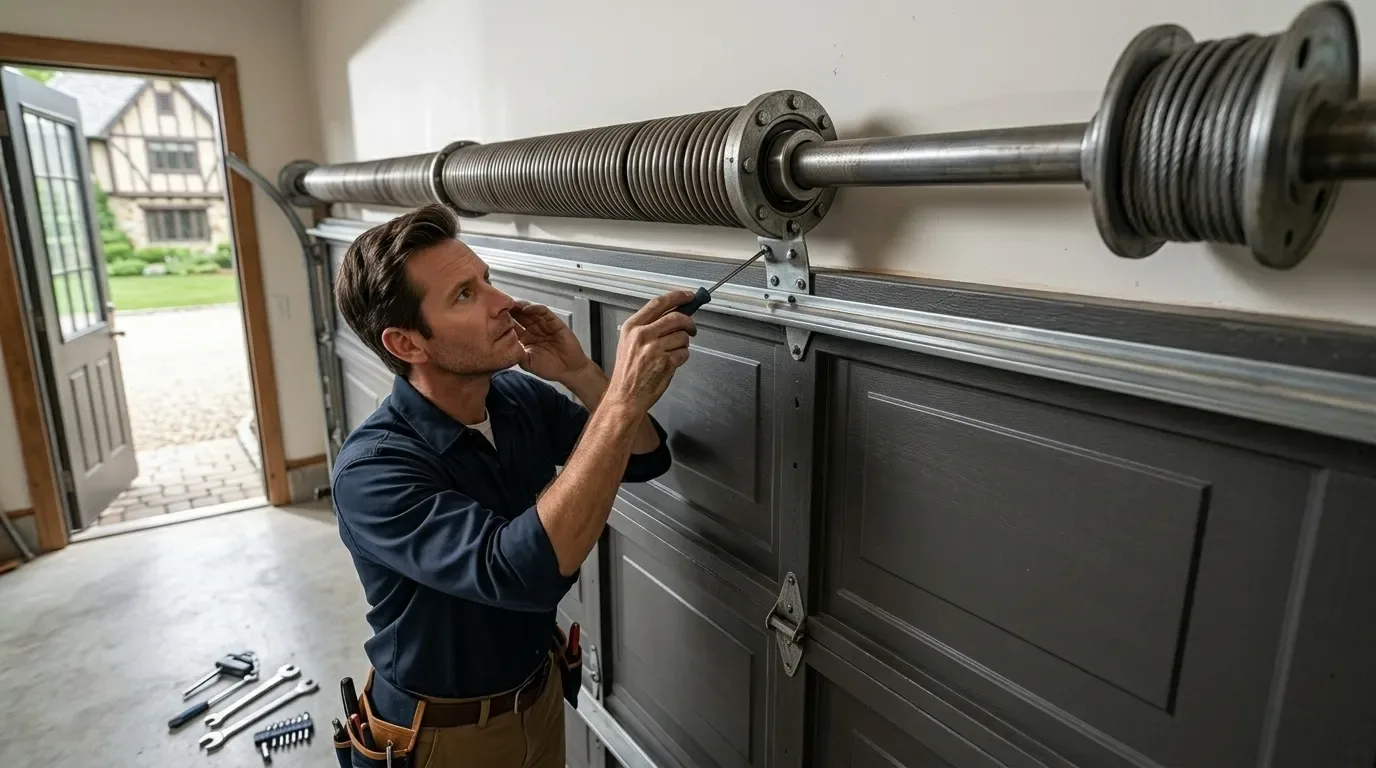
A torsion spring stores energy by twisting, and every open-close cycle adds a small amount of metal fatigue - it's the reason springs get rated in cycles, not years. On a house built in the median year for this area, 1978, the original spring or its first replacement has likely seen tens of thousands of cycles by now. Cold weather doesn't cause the fatigue; it exposes it.
Cold steel is less ductile, so a spring that had a little life left in warm weather can reach its breaking point the moment the temperature drops and the coils are asked to flex through their full range on a cold morning. That's why so many failures happen on the first genuinely cold day rather than mid-winter - the spring was already near its limit, and the drop in temperature was the last push.
How we work
The Common Mistake
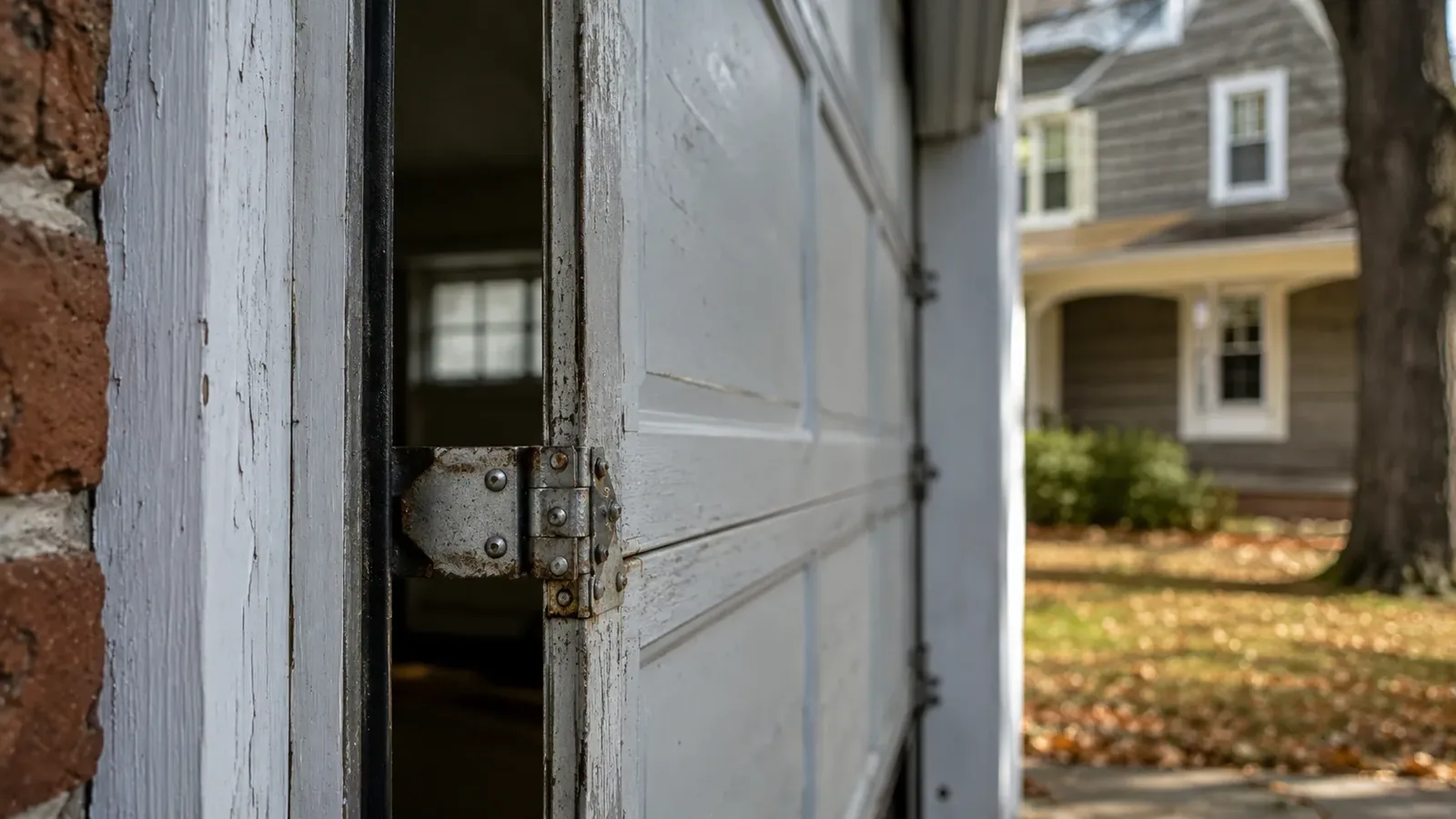
The mistake we see most is assuming a spring that looks fine - no visible rust, coils still tight - has plenty of life left. Age and cycle count matter more than appearance, and on doors installed anywhere from the 1960s through the early 2000s across this area, from Grant Park to Grove Park to the streets nearer Druid Hills, that range in age is wide enough that two doors on the same block can be years apart in spring wear. The other mistake is trying to time a spring replacement to avoid winter altogether - most owners don't think about it until the day it breaks.
We'll be straight with you: if a spring has already broken, that's not a DIY fix, torsion springs are under enough tension to cause real injury, and we don't recommend homeowners attempt it themselves. If it hasn't broken yet but you've heard that pop, get it looked at before the first cold snap, not after.
Questions
Common questions
Why do garage door springs break more in cold weather in Atlanta?
Atlanta sits in a cold-moderate climate band, so springs don't fail from a long deep freeze - they fail on the first sharp temperature drop. Cold steel is stiffer and less forgiving, and a spring that's been fatiguing for years finally reaches its limit right when the metal loses flexibility. That's usually the first hard cold snap of the season.
My house was built in the 1970s - is my spring original?
Possibly. A lot of housing across this part of Atlanta went up in the 1960s and '70s, and the area overall spans 1951 to 2004 construction. If nobody's replaced the spring, it's had decades of open-close cycles, which is more relevant to failure risk than the calendar age of the house itself.
Can I replace a torsion spring myself?
We don't recommend it. A wound torsion spring holds enough stored energy to cause serious injury if it releases wrong, and getting the tension right takes the correct bars and a steady hand. This is one job we tell homeowners to leave to a truck and a trained tech, not a weekend project.
Does it get cold enough in Atlanta to actually worry about this?
Atlanta's winters fall in a cold-moderate band - not the deep freeze of a northern climate, but enough sharp cold snaps each year to stress metal that's already fatigued from decades of cycles. It's the sudden drop, not sustained cold, that tends to be the final push on an older spring.
Ready when you are
Need a garage door sorted in Atlanta?
Atlanta Garage Door Pros repairs and installs garage doors, springs and openers in Atlanta, GA and the surrounding area.