
Guide
Is Your Atlanta Garage Door Worth Fixing, or Time to Replace It
Atlanta houses built between 1951 and 2004 carry doors and hardware from very different eras. Here's how to tell what's worth repairing and what isn't.
Local detail
Leaving It Alone
Not every door that's making noise needs a truck out. If a door still opens level, the springs aren't visibly stretched or gapped, and the only complaint is a squeak on the rollers, that's a five-minute lube job, not a service call. We'd rather tell you that on the phone than come out and charge you for it.
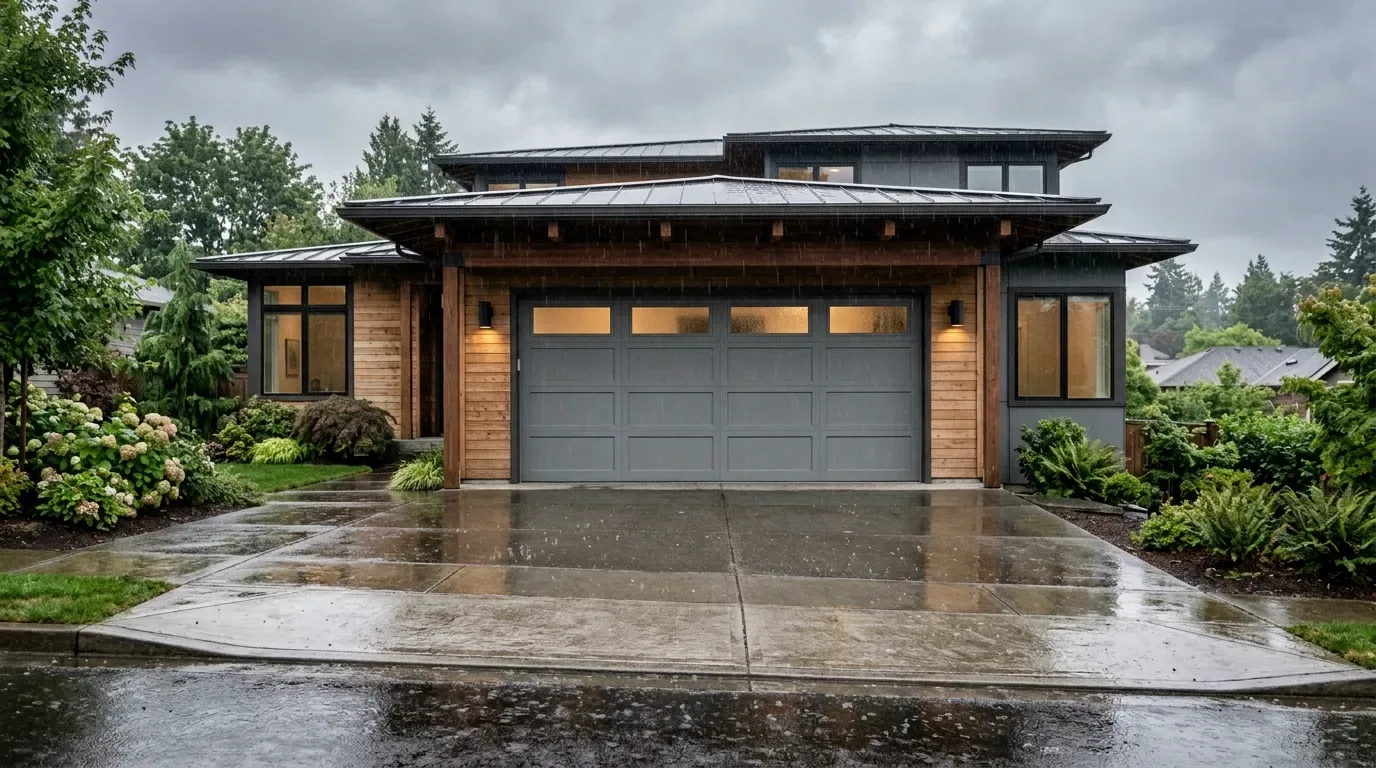
The doors worth leaving alone are usually the ones where the wear is cosmetic - faded paint, a dented bottom panel from a stray basketball, weatherstripping that's gone stiff. None of that touches the parts that actually fail: springs, cables, the opener's drive gear. A door can look rough and still have another decade in the moving parts, or look fine and have a spring one cycle from letting go.
Our limitation here is straightforward: we don't refinish or repaint doors, and we're not going to talk you into panel replacement for a look you don't like. If the door works and the hardware is sound, the honest advice is to spend your money elsewhere. We'll say that even when a bigger job would pay better.
The area
What Local Conditions Do
Atlanta sits in a cold-moderate climate band - not the hard, sustained freeze you get further north, but enough cold snaps mixed with warm, damp stretches to work steel differently than a dry climate does. That swing is what ages a garage door here: metal contracts in a cold night, then a warm front pushes humidity back in by afternoon. Torsion springs lose temper faster under that kind of cycling than under steady cold or steady heat.
What that means in practice is that a spring rated for a certain number of cycles in a stable climate often falls short here, especially on doors installed before insulation and weatherstripping standards tightened up. Tracks and rollers pick up moisture on the humid swing days, then get rigid at contact points during the next cold night. That's a lot of the grinding and binding we get called out for - not a single storm, but the repeated freeze-thaw-damp pattern this region runs through most winters.
We don't get the ice-storm loads some colder cities plan hardware around, so we're not selling you a heavier-duty spring than you need. The failure pattern here is fatigue from cycling, not one catastrophic cold event.
What we find
What Is Going On
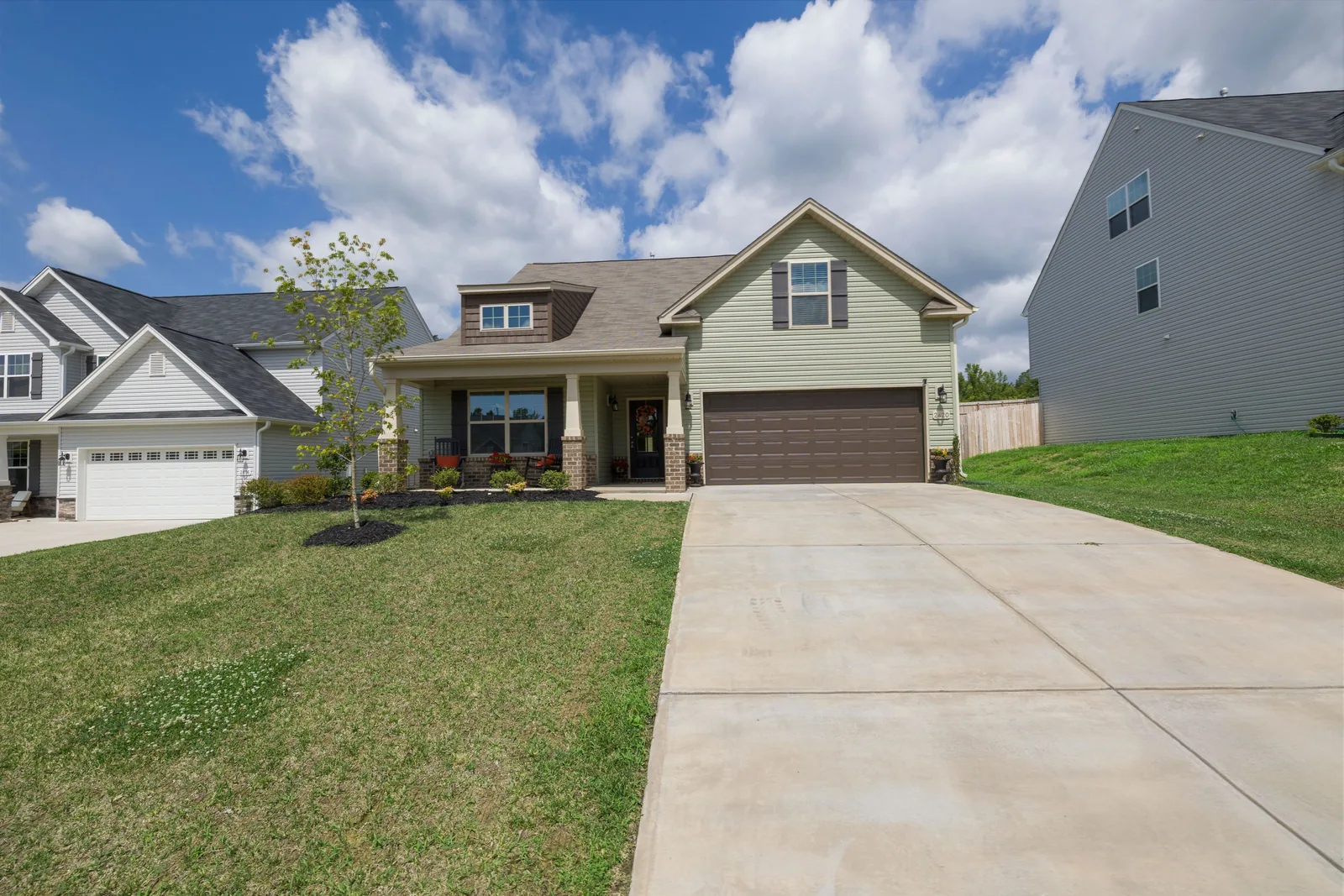
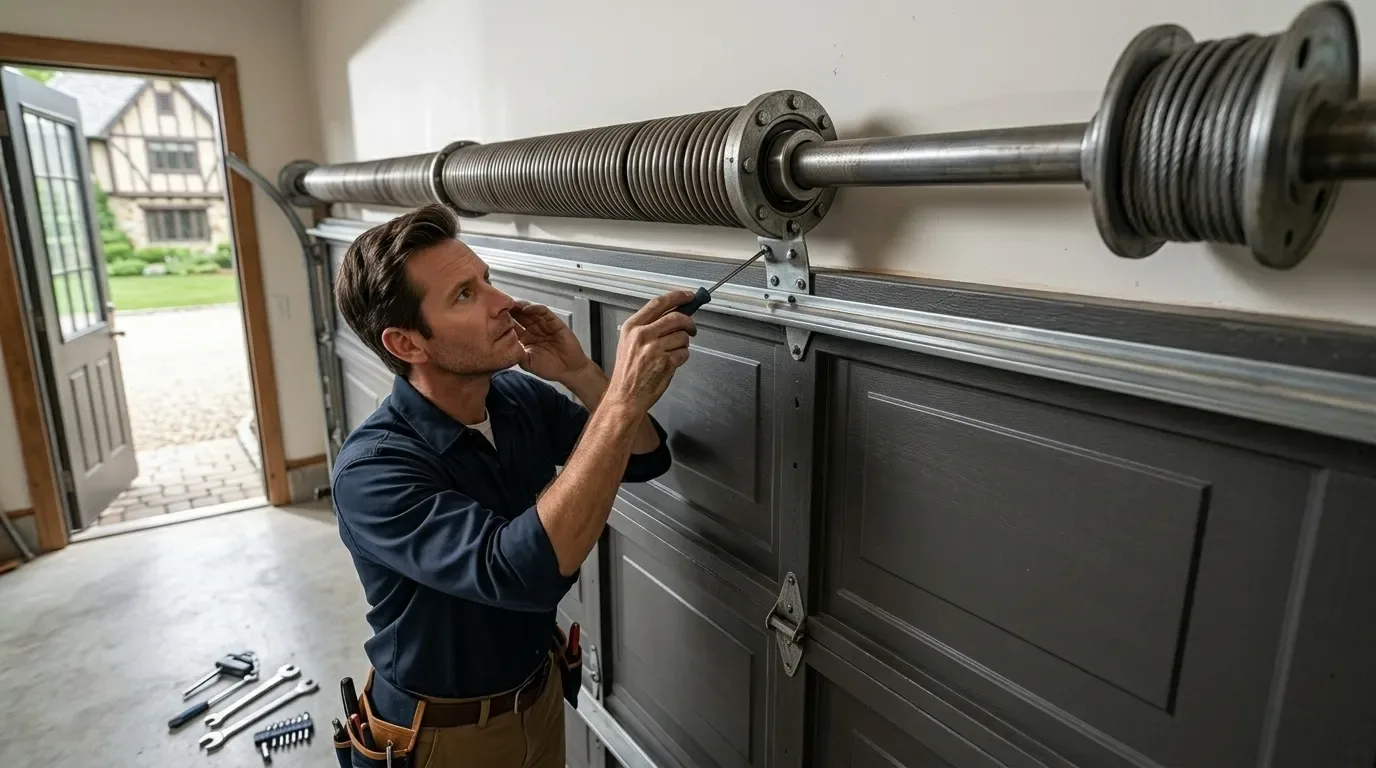
Housing across this service area was mostly built between 1951 and 2004, with the median landing around 1978, and the heaviest concentration in that 1960s-70s wave across the 36 named areas we cover - from close-in pockets like Grant Park and Collier Heights out toward Mableton and Stone Mountain. A door installed anywhere near that median is running hardware designed under an older set of assumptions: lighter-gauge torsion springs, steel track that wasn't galvanized to today's spec, and in some cases still the original opener.
With 80,135 owner-occupied houses among 232,839 households in this area, a large share of the doors we're asked to look at are original or close to it - not a recent remodel with current parts. That matters because a spring or cable sized for a 1970s door doesn't always match what a hardware store stocks off the shelf now, and a repair that looks routine can turn into a full hardware swap once we're inside the door.
A door from that era isn't automatically a replacement candidate. Plenty are worth a spring and cable job and another ten years of service. The build year just tells us what we're likely to find before we open the panel.
How we work
The Common Mistake
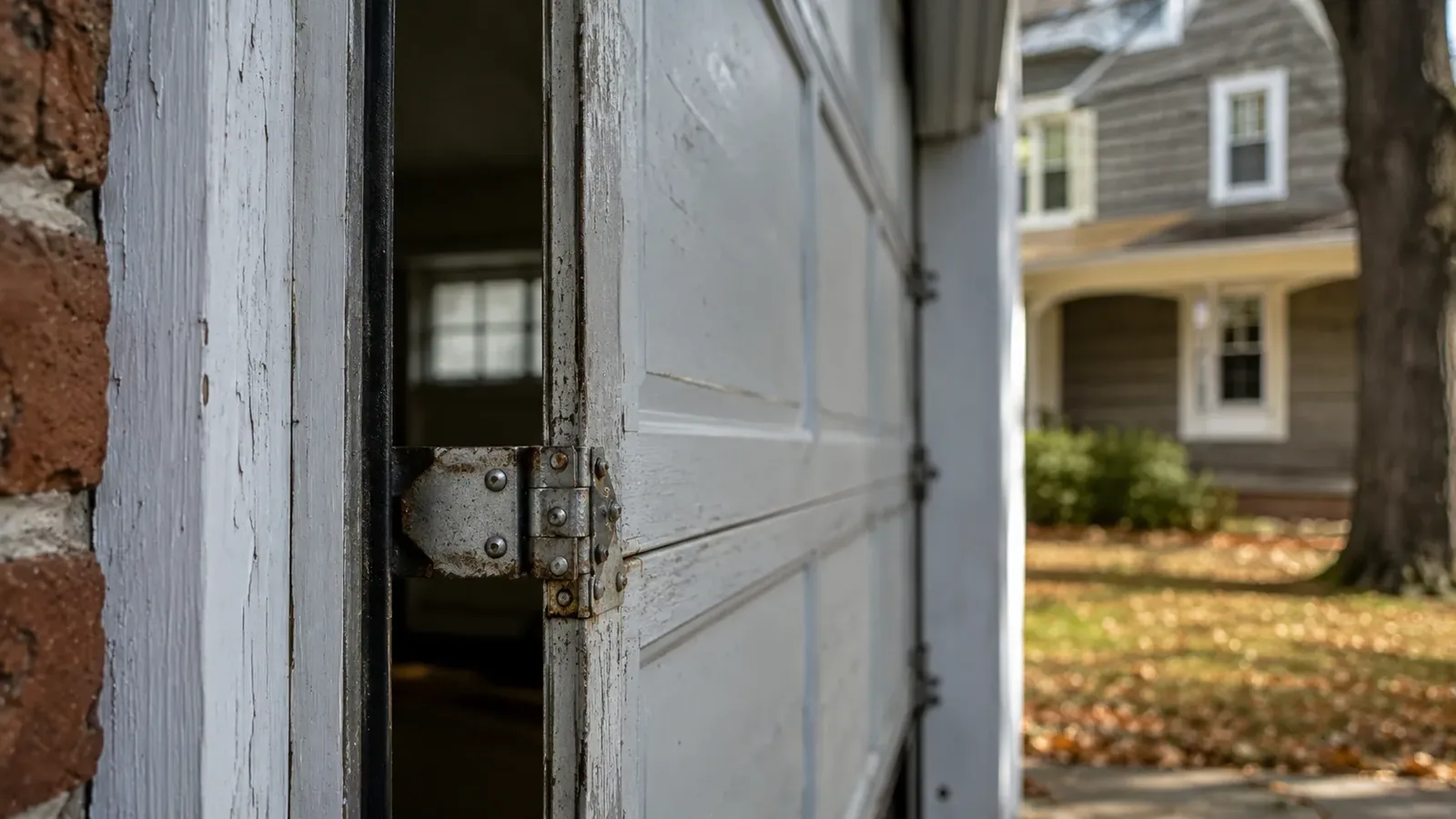
The mistake we see most is homeowners replacing an opener on a door whose spring is already near the end of its life, because the opener is the part making noise. The opener strains and grinds trying to lift a door that a weak spring isn't carrying its share of anymore - so the symptom points at the motor, but the cause is the spring. New opener goes in, same grinding comes back in a few months, now on a shortened-life motor.
The other version runs the opposite direction: replacing a whole door and track system when the actual failure was one broken cable or a bent roller. Given the median build year here sits around 1978, and at a median household income of $63,449 in this area, that's real money spent on a full replacement when a targeted repair would have covered it.
The honest answer takes a look at the spring, the cable, and the opener together before deciding which one is actually broken. It's not glamorous, and it's slower than quoting a full replacement over the phone, but it's the only way to spend your money on the part that's actually failing instead of the one that's easiest to point at.
Questions
Common questions
How do I know if my garage door spring is original to the house?
If your house was built in the median range for this area, around 1978, and the spring has never been replaced, it's likely original or close to it. Original springs from that era are usually lighter-gauge than what's sold today. We check the wire diameter and coil count on site rather than guessing from the build year alone.
Does Atlanta's climate wear out garage door parts faster?
The cold-moderate swings here - cold nights followed by humid, warmer days - cycle steel harder than a steady climate does. It shows up mostly as spring fatigue and track binding on humid days rather than damage from a single hard freeze. Doors on original 1960s-70s hardware feel this more than newer installs.
Is it ever not worth fixing an older door?
Yes, but not because of age alone. If the track is bent beyond adjustment or the panel structure is compromised, repair costs stack up past what a new door costs. We'll tell you when that's the case instead of running repair after repair on a door that's structurally done.
Ready when you are
Need a garage door sorted in Atlanta?
Atlanta Garage Door Pros repairs and installs garage doors, springs and openers in Atlanta, GA and the surrounding area.