
Morrow, Atlanta GA
Garage Door Repair for Morrow's 1970s Housing Stock
Serving Morrow, GA, 14 miles south of Atlanta. Homes here mostly date to the early-to-mid 1970s, which shapes the spring and opener repairs we see most.
Local detail
The Split Between Old and New
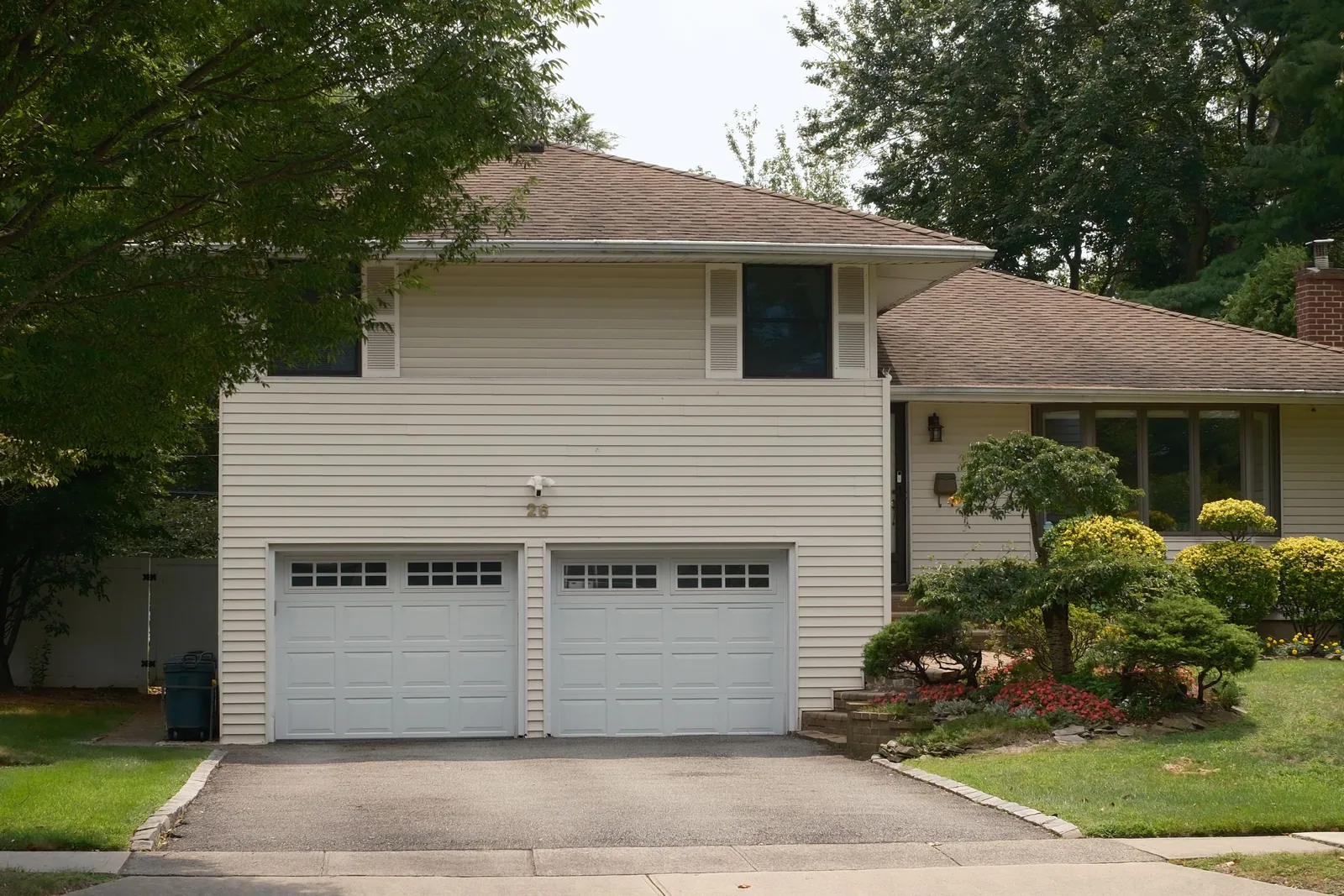
Morrow's median year built sits at 1974, which puts it on the older end of the wider service area we cover out of Atlanta, where homes range from 1951 up through 2004 with a median around 1978. That four-year gap sounds small, but it matters. A house built in 1974 was framed before some of the door hardware changes that showed up through the late '70s and '80s, and it means Morrow leans more toward the earlier wave of construction than the newer subdivisions you'll find elsewhere in the coverage area.
There isn't one dominant subdivision era here the way there is in some newer pockets - it's a town built mostly in one stretch, then filled in gradually. That matters for a garage door company because the split between old and new isn't really about which side of town you're on, it's about which decade poured the slab. A door installed when the house went up in the mid-70s is nearing or past the point where most manufacturers stop making replacement parts for the original hardware, which changes the conversation from repair to replacement more often than it would in a subdivision built in 1998.
The area
What That Means for Doors
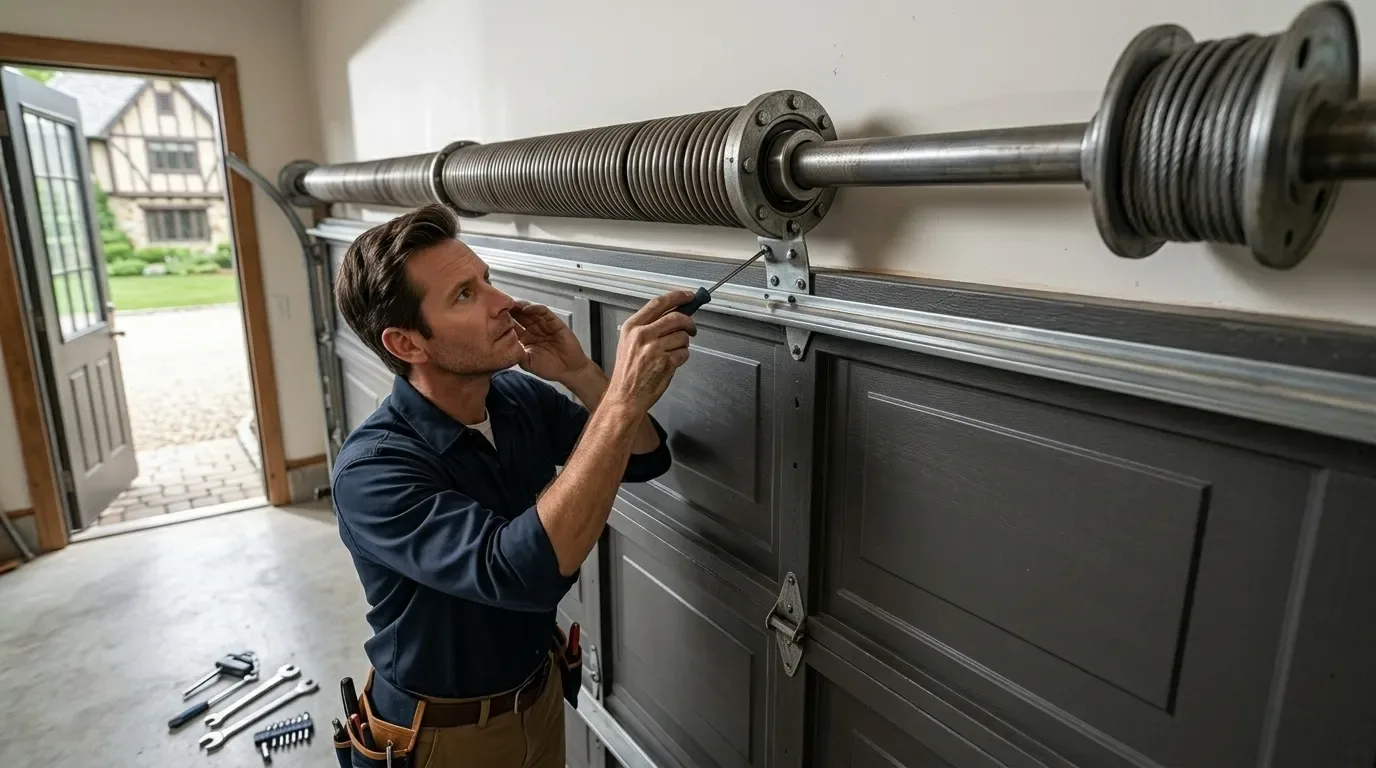
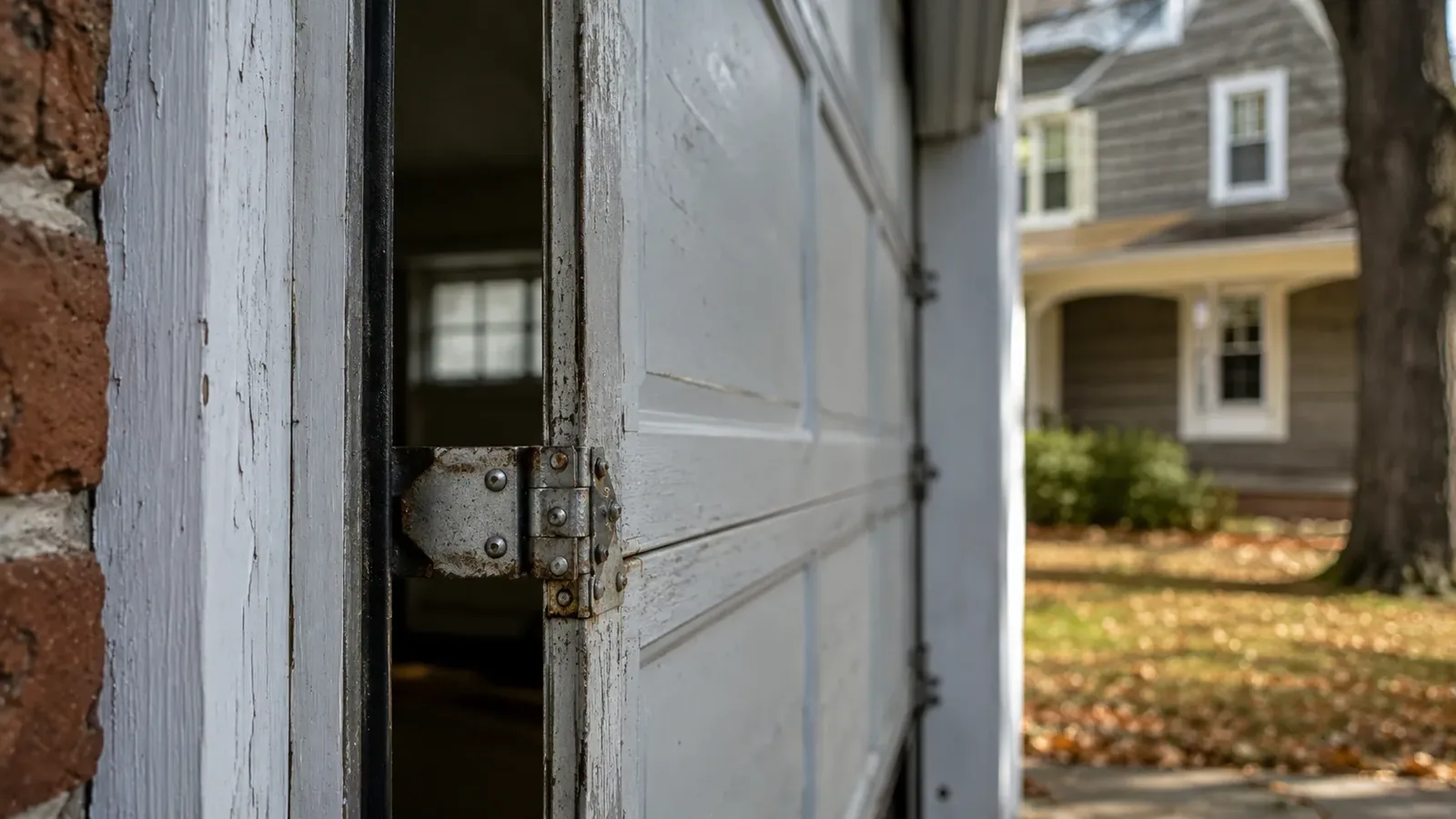
Houses built around 1974 were commonly fitted with extension springs mounted along the horizontal tracks rather than torsion springs over the header - a setup that's cheaper to install but wears differently and fails without much warning. If your door dates to the original build, that's often what's still up there, sometimes with the opener swapped out once or twice since but the spring and track hardware untouched. We also see steel panels from that era that have thinned or rusted at the bottom section, especially where drainage around the slab wasn't graded well to begin with.
None of that is unique to Morrow, but the concentration of houses from that specific window is what makes it the pattern here rather than the exception. The climate band for this area is classified as cold-moderate, which means freeze-thaw cycling on old hardware and grease that's gone stiff is a real factor in why a 1970s-era spring finally lets go in the middle of a cold snap rather than a mild one.
What we find
The Houses Here
Morrow is a smaller footprint than some of the areas we cover - about 1,701 households, with median income around $61,215. That's below the broader service-area median of $63,449, and it tends to show up in the kind of repair calls we get: more requests to fix what's there rather than replace it outright, at least as a first call. It's roughly 14 miles south of Atlanta, which puts it well outside the closer-in areas like Grant Park or Grove Park and past several of the mid-distance areas we serve, like Forest Park and College Park.
The housing here isn't uniform - some streets have had doors and openers updated over the decades, others haven't been touched since the original build - but the town as a whole reads older than the newer subdivisions further out. That's the backdrop for almost every job we take here: older hardware, a household budget that favors a fix over a full swap when a fix is reasonable, and a fair number of doors that are simply original.
How we work
What We Do Most in This Area
Given the age of the housing, the calls we run in Morrow tend toward broken extension springs, worn rollers on original tracks, and openers that are the second or third unit installed since the house was built. We'll tell you straight when a repair isn't worth it - if the door itself is warped or rusted through at the bottom panel, patching the spring doesn't fix the underlying problem, and we'd rather say that up front than sell you a spring job that buys six months.
One honest limit: we work out of Atlanta and travel to Morrow rather than keeping a local yard here, so we schedule the trip rather than showing up same-hour for every call. For a house built in the low-to-mid 70s, matching original hardware sizes and track spacing sometimes takes an extra call to source the right parts - we'd rather get that right than force a part that's close but not correct.
Service areas
Other areas we cover near Morrow
Questions
Common questions
Are garage door parts from a 1970s house still available?
Some are, some aren't. Extension springs and standard track hardware from that era are usually still made in compatible sizes, but original panel sections and some older opener drive systems are harder to match exactly. If we can't get an exact match, we'll tell you the closest option rather than guess.
Do you have a shop in Morrow?
No. We're based in Atlanta and drive out to Morrow for jobs - about a 14-mile trip. We don't keep a local depot here, so we schedule visits rather than offering instant same-hour arrival for every call.
Why did my spring break with no warning?
Extension springs, which are common on houses built in Morrow's era, tend to fail suddenly rather than showing gradual signs of wear the way torsion springs sometimes do. Cold snaps in this area's cold-moderate climate band can also stiffen old grease and hasten a failure that was already coming.
Is it worth repairing an original door from the 1970s?
Depends on the panel condition more than the age. If the steel is intact and just needs a spring, cable, or roller, repair usually makes sense. If the bottom panel is rusted through or the door is visibly warped, replacement is usually the better use of your money.
Ready when you are
Need a garage door sorted in Atlanta?
Atlanta Garage Door Pros repairs and installs garage doors, springs and openers in Atlanta, GA and the surrounding area.