
Guide
What We Check First on an Atlanta Service Call
Atlanta homes mostly date from the 1960s-70s boom, and our techs check the parts that era of hardware wears out first before touching anything else.
Local detail
Leaving It Alone
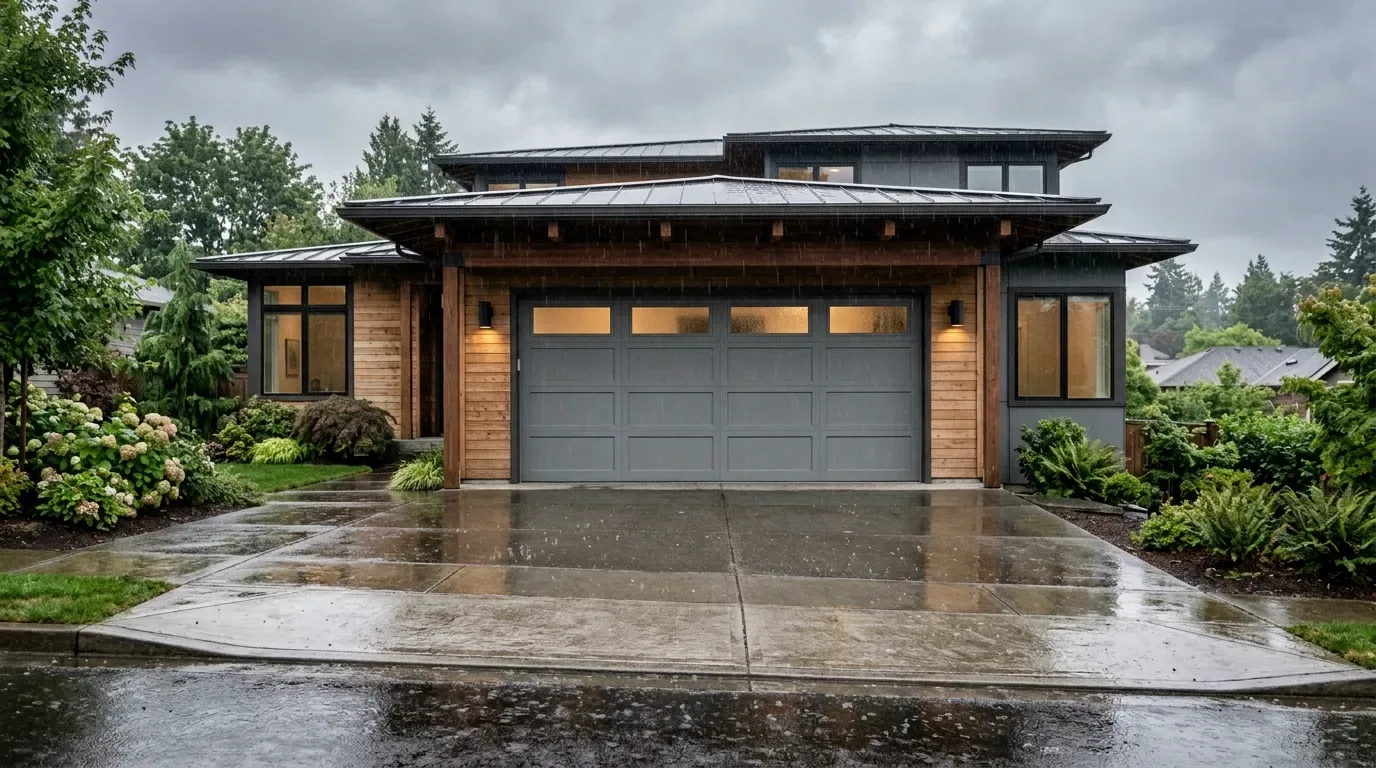
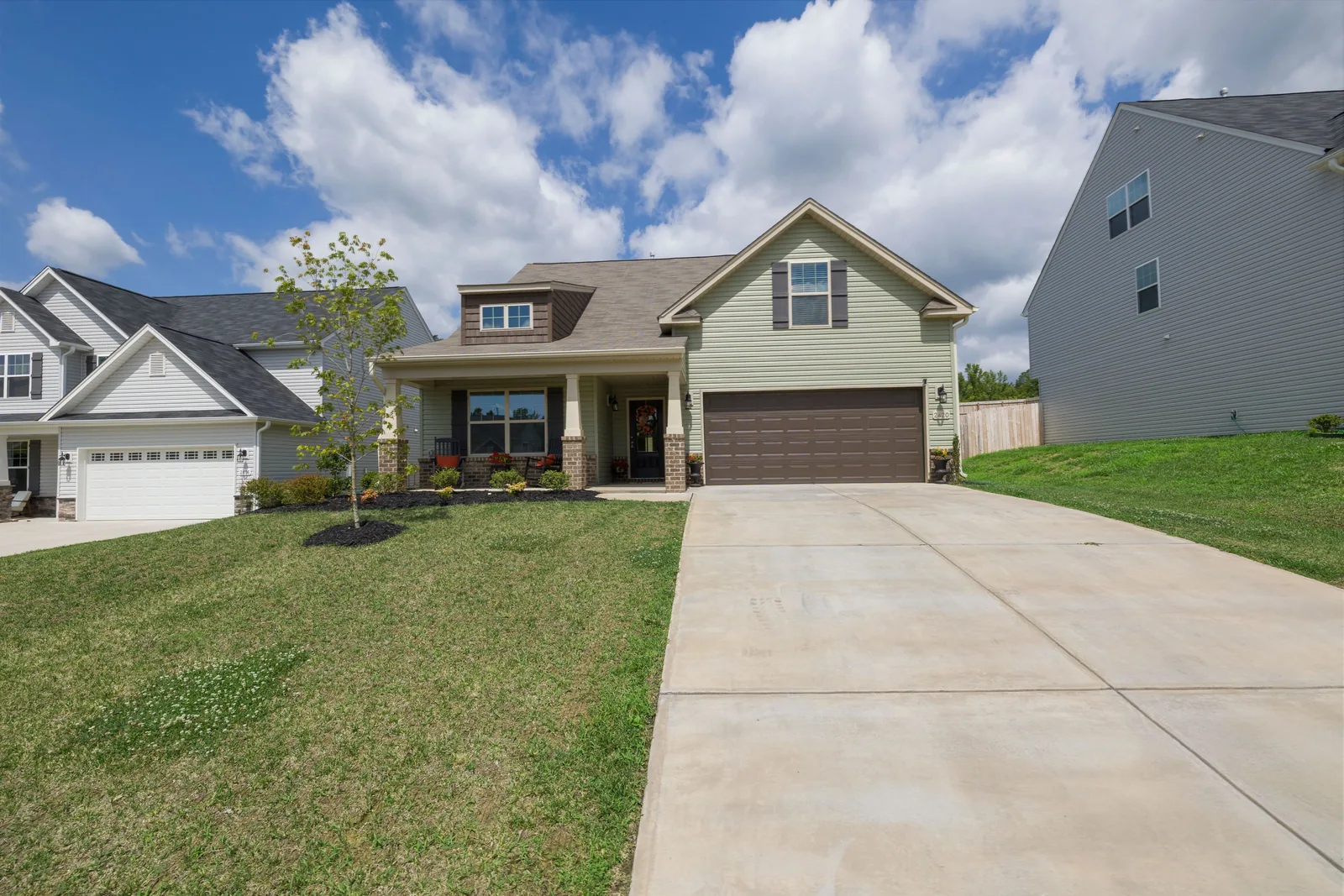
Before a technician opens a panel or touches a spring, he looks at the door doing nothing. On a lot of Atlanta calls, that tells you more than running the door ever will. Most of the housing stock in this service area went up between 1951 and 2004, with the bulk of it - across the named neighborhoods from Grant Park to Grove Park to Collier Heights - built in the 1960s and 70s.
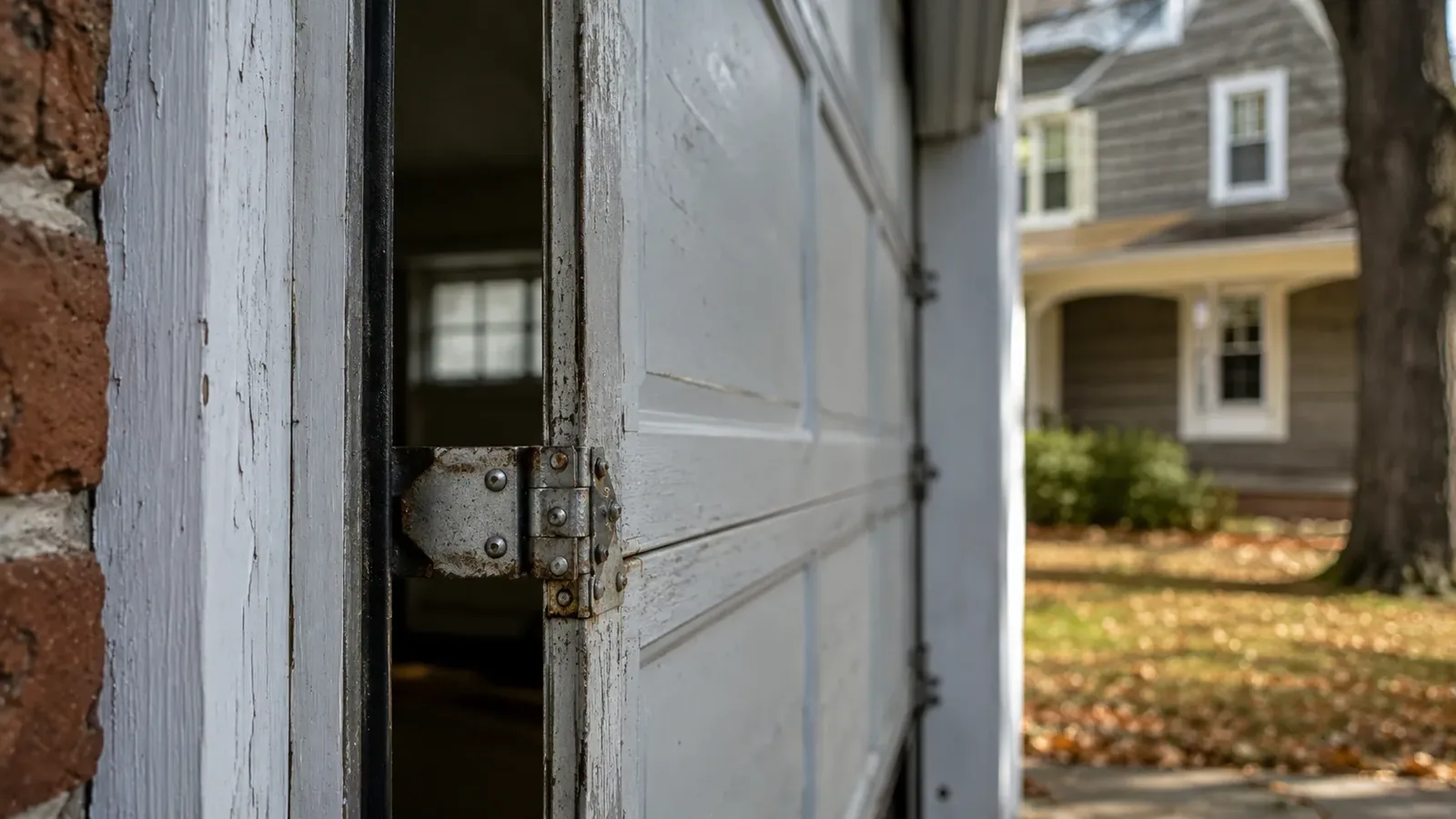
A door that's sagged on one side, or that sits crooked in the frame at rest, usually means the original hardware from that build era is finally giving out, not that something got knocked loose last week. We'll watch it sit still for a minute before we decide it needs to move. That patience saves a homeowner from paying for a diagnosis based on a rushed first impression, and it's the same reason we don't quote a repair over the phone without seeing the door first.
The area
What Local Conditions Do
This area sits in a cold-moderate climate band, meaning winters bring real cold snaps but not the deep-freeze extremes you'd get further north. That matters for garage doors because it's the swing between a cold night and a warm afternoon - not sustained extreme cold - that stresses lubricant and metal fatigue in springs and rollers. A technician checks how the door has been cycling through that daily temperature range, especially on older torsion setups from the 1960s-70s stock that were never built with today's weatherproofing in mind.
He'll also check the bottom seal and threshold, since houses from this era often have settled slabs that changed the gap the door has to close against. None of this is dramatic weather - it's slow, repeated stress, and it shows up as a stiff spring or a track that's worked itself out of alignment.
What we find
What Is Going On
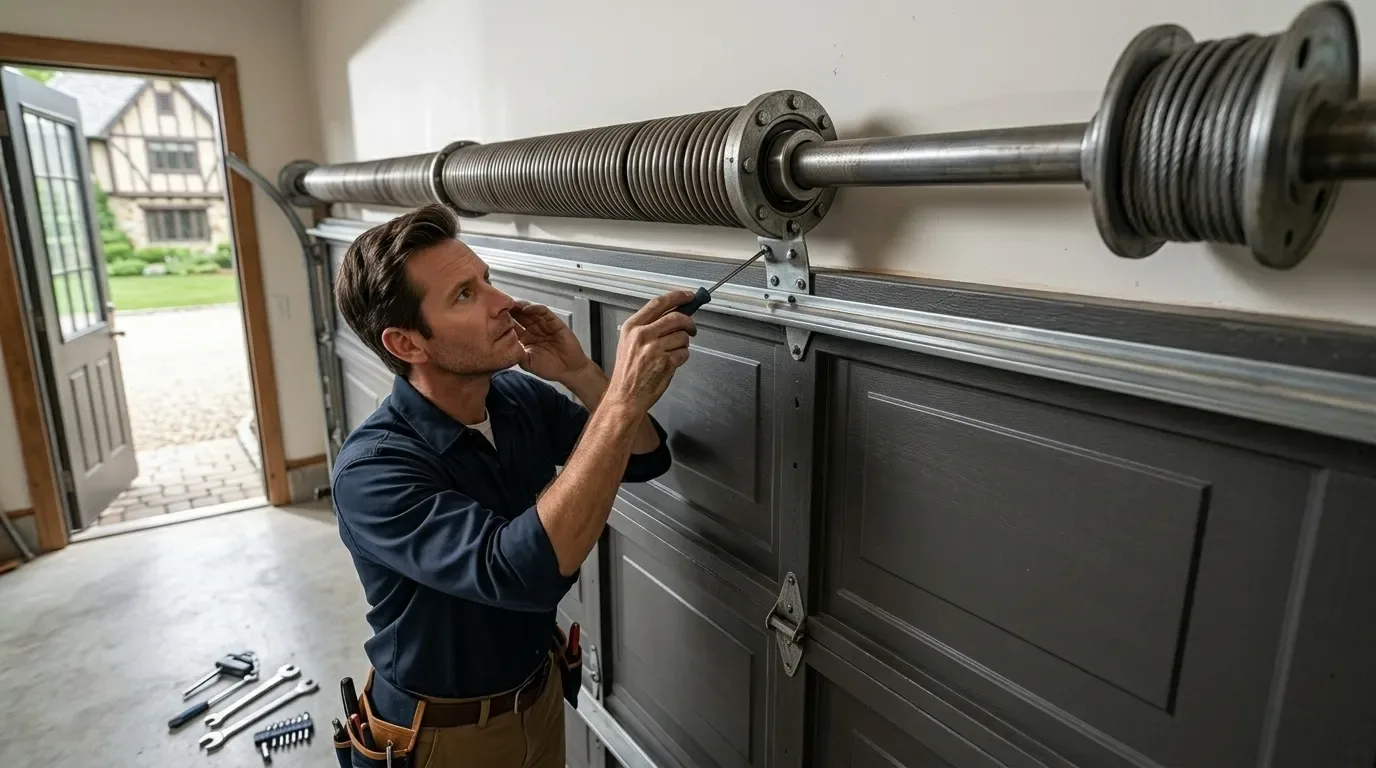
Once the door's history and the local conditions are accounted for, the technician moves to what's actually failing right now. On a house built in the median year for this area - around 1978 - that usually means original torsion springs well past their cycle life, worn rollers that were never upgraded to nylon, or an opener from a later remodel that doesn't match the door's original weight and balance.
He'll check spring tension, cable wear at the drum, and whether the track is still square to the opening. Houses across the 36 named areas we see calls from vary in exactly which of these fails first, but the pattern of a decades-old door paired with newer patchwork parts is common enough that it's the first thing checked, not the last.
How we work
The Common Mistake
The mistake we see most is replacing the opener when the real problem is the door itself. On a house from the 1960s-70s stock that makes up most of this service area, an opener struggling to lift a door is often fighting a spring that's lost tension, not a motor that's failing. Swap the opener and the new one just fails faster under the same bad balance.
We'll be honest that not every older door is worth saving - once the frame or track has racked out of square, spring adjustment won't fix it, and replacement is the better spend. But that call comes after checking the door, not before.
Questions
Common questions
Why does my garage door work fine in summer but stick in winter?
With Atlanta's cold-moderate swings between chilly nights and warmer days, lubricant thickens and metal contracts slightly, which shows up as stiffness on torsion springs and rollers, especially on older hardware common in the 1960s-70s housing stock across this area.
Is my door's age actually a problem, or just cosmetic?
Housing in this service area runs from 1951 to 2004, median around 1978, so a lot of doors are carrying original torsion springs and rollers well past a normal service life. Age alone isn't cosmetic here - it's usually the root of the balance and noise complaints we get called out for.
Do you check the opener or the door first?
The door first, always. A struggling opener on an older Atlanta house is more often a spring that's lost tension than a failing motor, and replacing the opener without fixing the spring just wears the new unit out the same way.
Ready when you are
Need a garage door sorted in Atlanta?
Atlanta Garage Door Pros repairs and installs garage doors, springs and openers in Atlanta, GA and the surrounding area.