
Irondale, Atlanta GA
Garage Door Service for Irondale's Newer Housing Stock
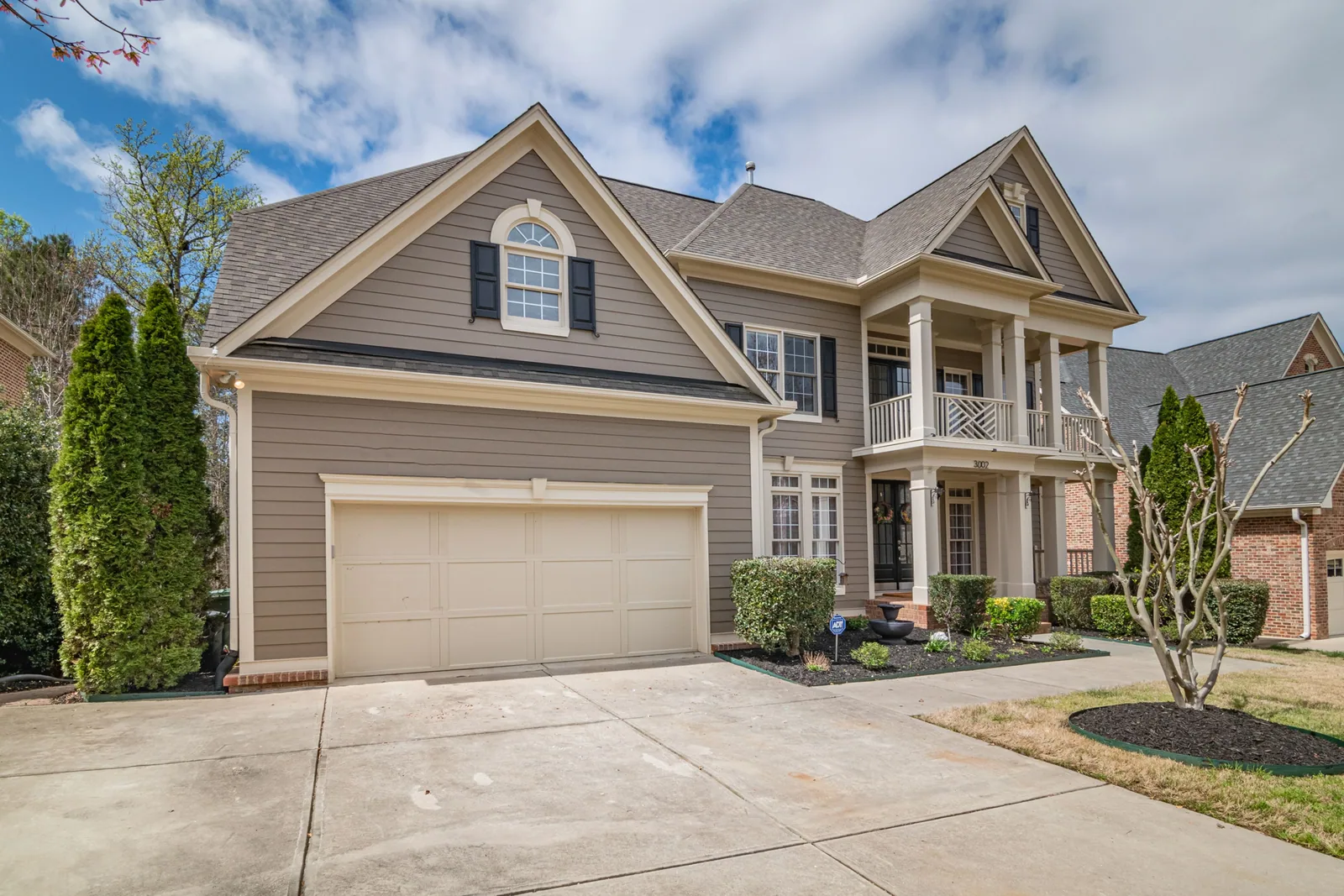
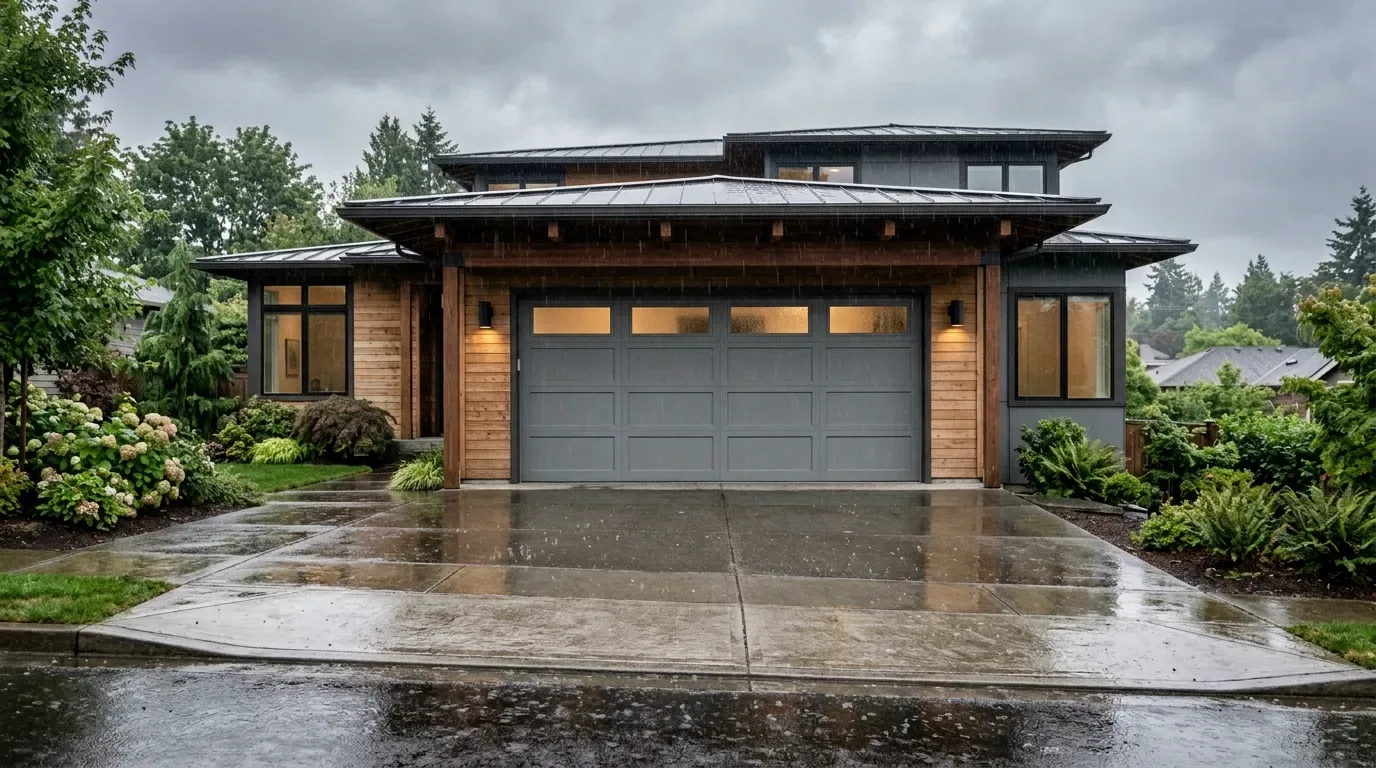
Irondale homes mostly went up after 1994, later than much of Atlanta's stock. We work on the steel doors and modern openers that came with that newer build era.
Local detail
The Split Between Old and New
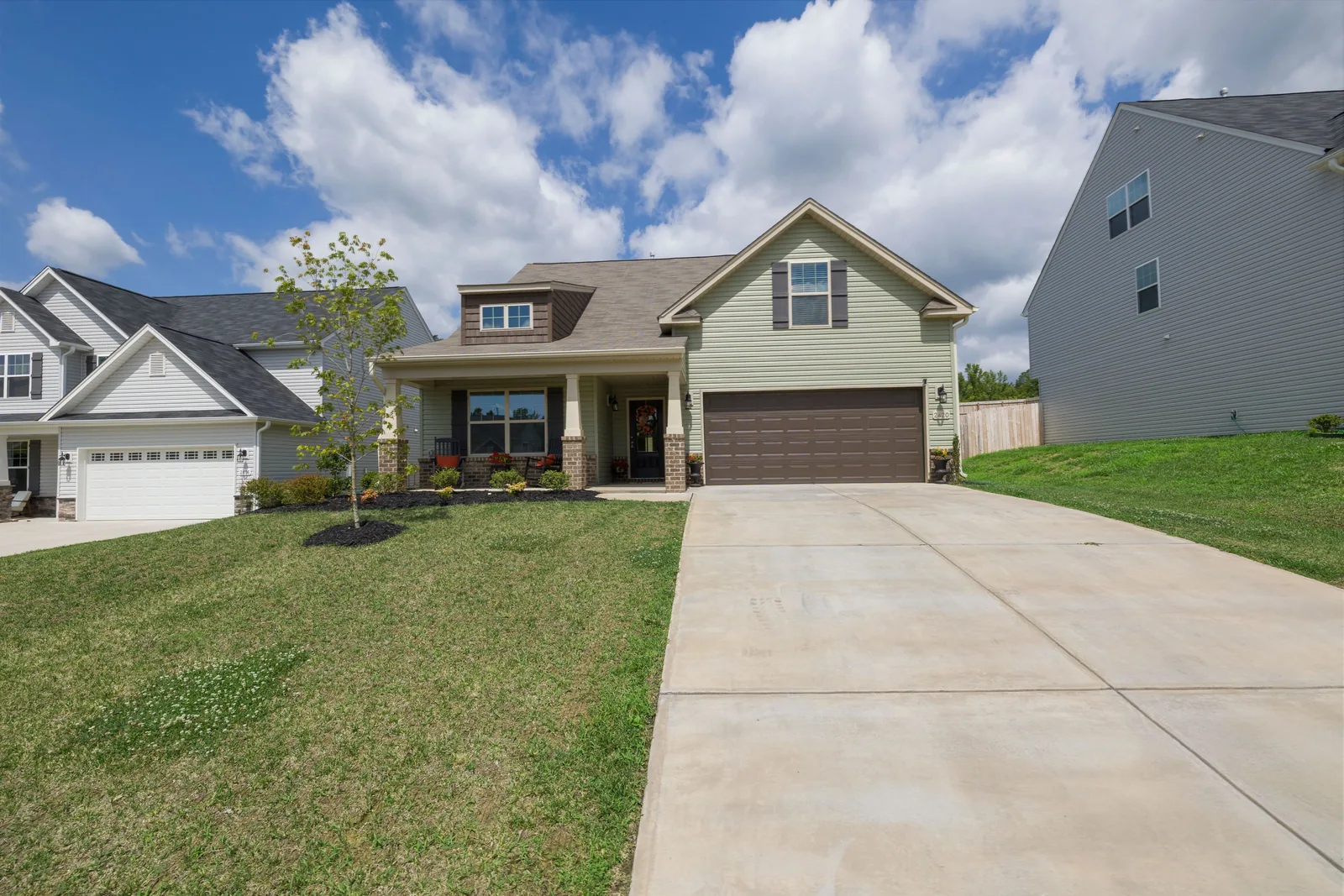
Atlanta's broader service area is a mix of housing built anywhere from 1951 to 2004, with a lot of it dating to the 1960s and 70s. Irondale doesn't fit that older pattern. The median build year here is 1994, which puts most homes on this side of the metro squarely in the late-80s-to-2000s window rather than the postwar wave that shaped so much of the city. That's a real gap - twenty to thirty years of difference in how houses, and the garages attached to them, got built.
With about 2,837 households in Irondale, this isn't a dense inner-city pocket either. It reads more like a suburban build-out that happened in one or two waves rather than decades of infill. That matters because a neighborhood built in a short window tends to have doors, tracks, and openers that fail around the same age, all at once, rather than one house at a time scattered across fifty years of construction.
The area
What That Means for Doors
A house built in 1994 didn't get the same door as a house built in 1965. By the early-to-mid 90s, steel sectional doors with factory-torsion setups had mostly replaced the older wood and one-piece hardware you still find on the 1960s stock closer to central Atlanta. That means fewer of the obsolete side-mounted torsion systems and more standard extension or torsion springs that are easier to source parts for.
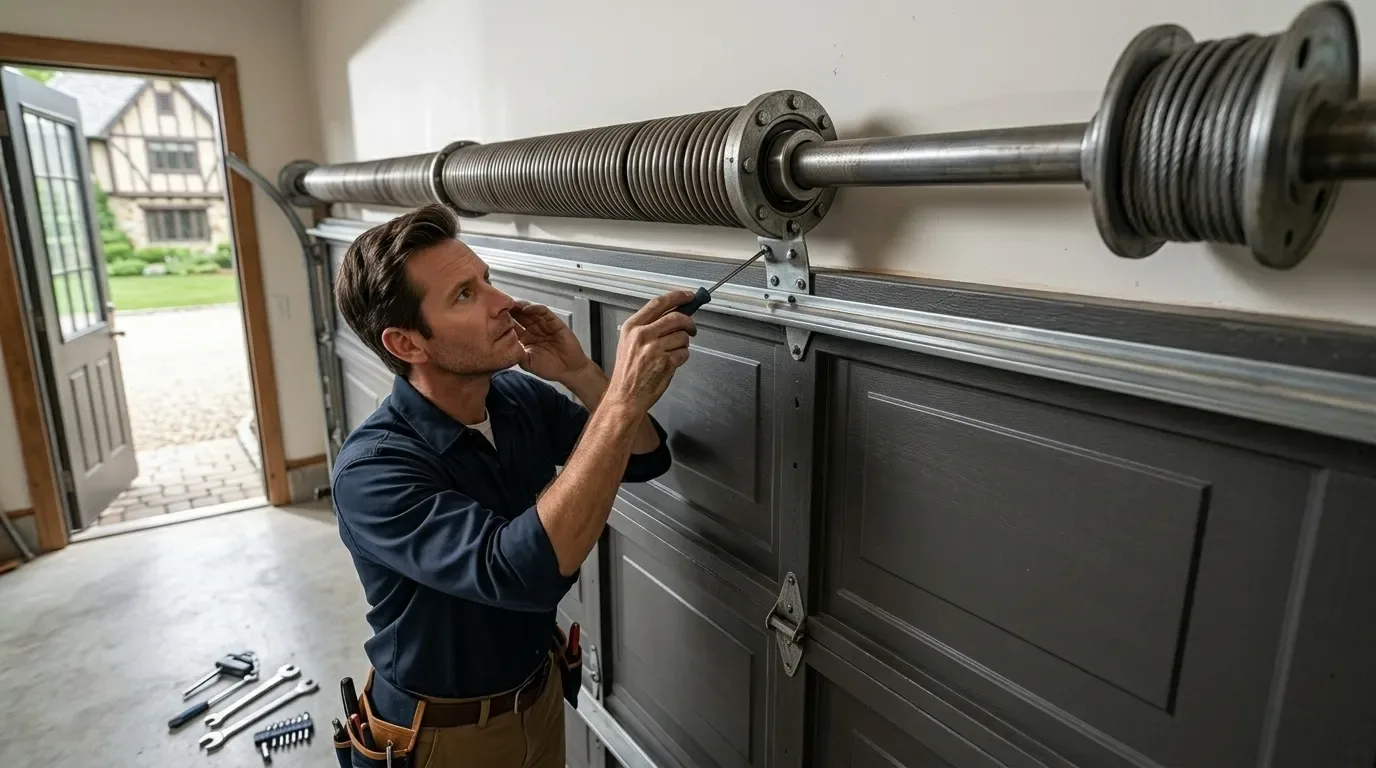
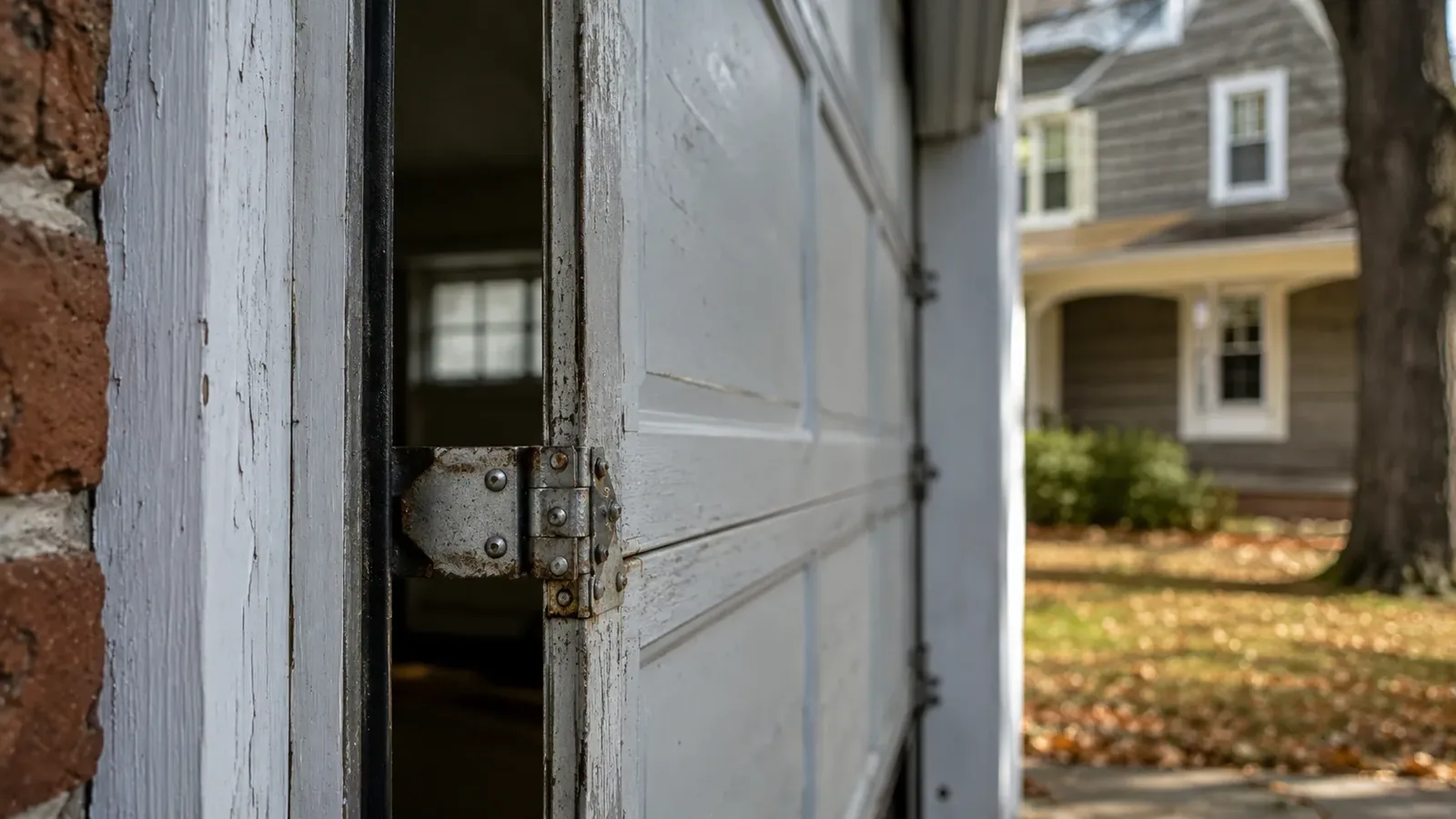
What does fail on a 1990s-era door after thirty-plus years: springs that have simply cycled out, openers on their second or third motor, and rollers that were never upgraded from the builder-grade nylon that shipped with the house. The climate here is cold-moderate, not extreme, so we don't see the rubber and weatherstrip failures you'd get in a harsher climate - but three decades of temperature swings still dries out seals and stiffens hardware lubricant faster than most owners expect.
What we find
The Houses Here
Median household income in Irondale runs about $61,454, close to the $63,449 median across the wider Atlanta service area, which tells you this isn't a market where owners are routinely gutting and replacing doors before they need to. Most of the calls we'd expect from a neighborhood like this are repair calls on original or first-replacement hardware, not full-door swaps.
Across the larger service area there are roughly 232,839 households and 80,135 owner-occupied houses spread over three dozen named communities, each with its own build era. Irondale is one slice of that picture, and a fairly consistent one - a single-generation build-out rather than a patchwork. That consistency is useful: once we know the door style common to a 1994-median neighborhood, most of the jobs on that street look similar.
How we work
What We Do Most in This Area
For a neighborhood built when Irondale was, the jobs we see most are spring replacement on doors that have simply worn out their cycle count, opener swaps where the original motor has finally quit, and roller or hinge replacement on doors that still open fine but sound like they're falling apart. We don't stock a depot in Irondale - we run out of Atlanta, about 20 miles away, so we schedule the trip rather than dropping by on short notice.
One honest limit: if a door here has been modified more than once - a replacement opener bolted onto a much older door frame, for instance - the mismatch between eras of hardware can make some repairs not worth doing. In that case we'll tell you replacement is the better call rather than patching around parts that don't match.
Service areas
Other areas we cover near Irondale
Questions
Common questions
Do you have a shop or truck based in Irondale?
No. We're based in Atlanta and drive out to Irondale, about 20 miles away, for scheduled jobs. We don't claim a local depot or a guaranteed response time here - we book the trip when you call.
Is my 1990s garage door hardware still available?
Mostly, yes. Doors built around Irondale's median year of 1994 typically use standard torsion or extension spring setups that are still common today, unlike the older side-mounted torsion hardware found on much older housing stock elsewhere in the metro.
Why does my opener keep failing even though the door looks fine?
If your house dates to the early-to-mid 1990s like most of Irondale, your opener may be on its second or third motor by now. Motors typically don't last as long as the doors themselves, especially with original builder-grade units.
Does the cold-moderate climate here affect my garage door?
It's not an extreme climate, so we don't see the severe seal failures you'd get somewhere harsher. But thirty-plus years of temperature swings still dries out weatherstripping and stiffens hardware lubricant faster than most owners notice until the door starts sticking.
Ready when you are
Need a garage door sorted in Atlanta?
Atlanta Garage Door Pros repairs and installs garage doors, springs and openers in Atlanta, GA and the surrounding area.